

Pregnancy comes with a whirlwind of questions, cravings, and a few unexpected surprises. One of the sweetest dilemmas expectant mothers face is whether they can indulge in honey. After all, who wouldn’t want to add a drizzle of golden goodness to their tea or toast? But before diving into that honey jar, it’s essential to know the facts.
While honey is a natural sweetener, it’s not without its controversies, especially for pregnant women. Some might say it’s a no-go due to the risk of botulism, while others argue it’s as safe as a cozy blanket on a chilly night. So, can you enjoy honey while pregnant? Let’s buzz through the details and find out if this sticky treat can find a place in your pregnancy diet.
Can You Eat Honey While Pregnant?
Pregnant women often wonder about honey’s safety. Many health experts advise caution regarding honey consumption during pregnancy due to the risk of botulism. Botulism, though rare, can pose serious harm, especially to infants. Pasteurized honey is generally considered safe for adults, including pregnant women. Unpasteurized honey remains a concern, as it may contain spores that lead to botulism.
Dietary guidelines suggest focusing on natural sweeteners. Honey provides a unique flavor and potential health benefits, such as antioxidants. Some studies indicate that moderate consumption of honey can even alleviate coughs and soothe sore throats.
It’s crucial for expectant mothers to discuss dietary choices with healthcare providers. Healthcare professionals can offer personalized advice, considering individual health conditions and dietary needs. Choosing processed foods instead of honey may help reduce risks associated with botulism.
Consulting labels can provide insight into honey’s pasteurization status. Many commercially available honey products undergo pasteurization, making them safer options. Local honey may not always be pasteurized, so pregnant women should check for labeling to determine its safety.
Enjoying honey in moderation appears reasonable when sourced wisely. Expectant mothers should remain informed about potential risks while also enjoying the unique flavors honey offers. Prioritizing safety allows for a balanced approach to diet during pregnancy.
Benefits of Honey During Pregnancy
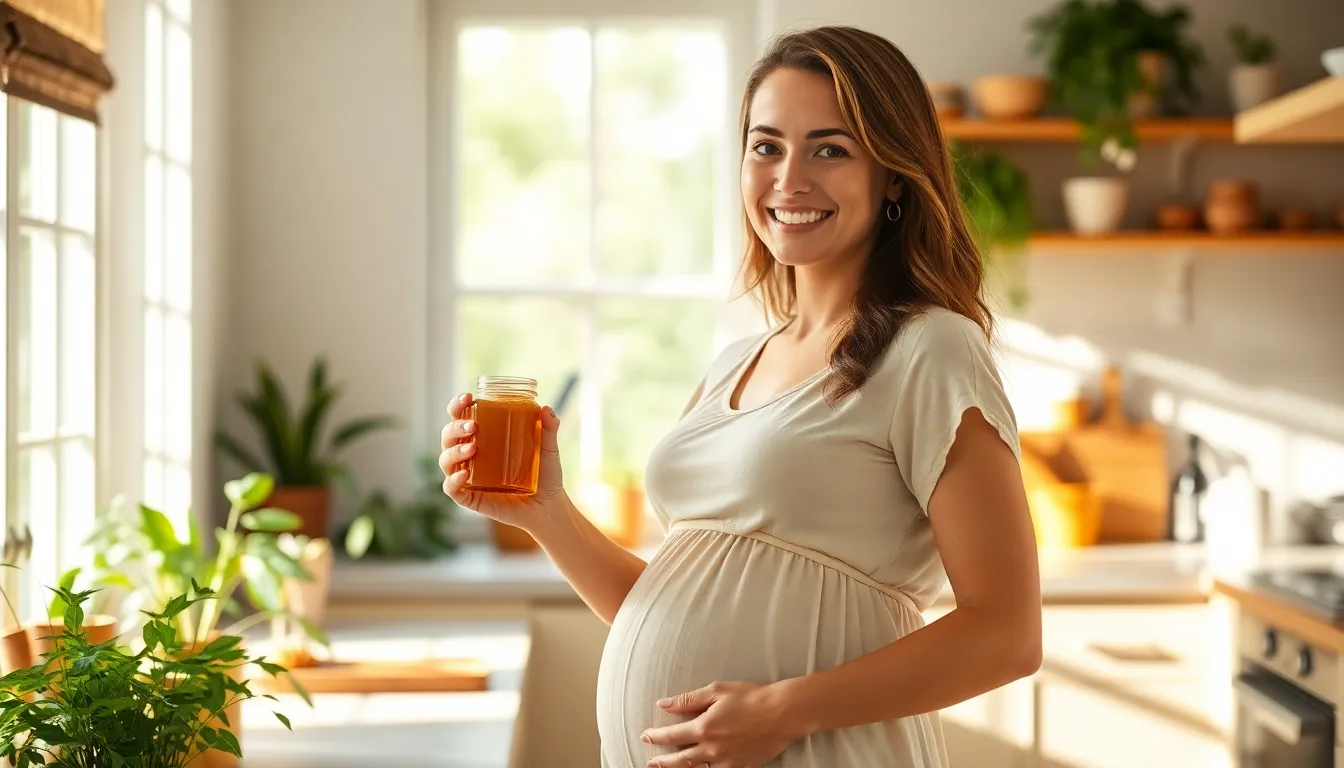
Honey offers several benefits that can be appealing during pregnancy. Expectant mothers often seek natural ways to enhance their diets.
Nutritional Value of Honey
Honey contains essential nutrients including vitamins B and C, minerals like calcium and iron, and antioxidants. These components contribute to overall health and support the immune system. Antioxidants in honey help combat oxidative stress, which is crucial during pregnancy. Its natural sugars provide energy without the crash associated with refined sugars. Raw honey, when pasteurized, retains most of these nutritional benefits, making it a viable option for pregnant women seeking a natural sweetener.
Potential Health Benefits
Honey may assist in alleviating common pregnancy-related discomforts. It can soothe sore throats, reducing inflammation and providing relief from coughs. Research indicates that honey may help improve digestion, which is beneficial given the increased digestive challenges during pregnancy. Furthermore, honey’s antiseptic properties can promote healing in minor wounds. Many expectant mothers appreciate its ability to satisfy sweet cravings while offering a more nutritious alternative to processed sugars.
Risks of Consuming Honey While Pregnant
Understanding the risks associated with honey consumption during pregnancy is essential for expectant mothers. Awareness of potential health concerns helps ensure both maternal and fetal well-being.
Botulism Concerns
Botulism is a rare but serious illness caused by Clostridium botulinum bacteria. Unpasteurized honey can contain spores that pose a risk to infants, and although adults are generally safe, caution is advisable. Pregnant women can harbor altered immune systems which may increase vulnerability. The Centers for Disease Control and Prevention (CDC) advises against giving honey to infants under one year old due to this risk. Ultimately, opting for pasteurized honey reduces the chance of exposure, but discussing any concerns with healthcare providers remains critical. Ensuring dietary safety is paramount during pregnancy.
Allergic Reactions
Allergic reactions to honey can occur, even in individuals without prior sensitivities. Symptoms may range from mild reactions like itching and hives to severe reactions such as anaphylaxis. Honey sourced from various floral origins can introduce allergens present in pollen. Pregnant women who have known allergies should exercise caution when trying honey for the first time. Monitoring for any adverse effects after consuming honey helps identify potential allergens. Consulting with a healthcare provider before adding honey to the diet is advisable for those with allergies or concerns about reactions.
Guidelines for Safe Consumption
Expectant mothers should take care when consuming honey during pregnancy. Understanding the type of honey plays a vital role in ensuring safety.
Recommended Types of Honey
Pasteurized honey is the best choice for pregnant women. This type reduces the risk of botulism spores commonly found in unpasteurized varieties. Raw honey, while beneficial, can pose health risks. Choosing honey products labeled as pasteurized ensures a safer option. Organic honey might also be a suitable choice, although pasteurization still holds greater importance for safety. Some brands specifically cater to pregnant women by providing tested and safe options. Always check labels for pasteurization to make informed decisions.
Serving Size Recommendations
Moderation is key when consuming honey during pregnancy. A serving size of one to two teaspoons per day is generally regarded as safe. This amount allows for honey’s benefits without excessive sugar intake. Pregnant women should monitor their overall sugar consumption to avoid additional health issues. Balancing honey with other nutritional foods can provide benefits without risks. Consult healthcare professionals for personalized guidance based on individual health needs. By keeping portions reasonable, it’s possible to enjoy honey safely while minimizing potential risks.
Expectant mothers can enjoy honey as a natural sweetener while prioritizing safety and moderation. By choosing pasteurized honey and being mindful of serving sizes, they can reap its nutritional benefits without significant risk. It’s essential to consult healthcare providers to navigate dietary choices during pregnancy. This ensures that both maternal and fetal health remain a top priority. With careful consideration and informed decisions, honey can be a delightful addition to a balanced pregnancy diet.


