

Cooking can feel like a daunting task, especially when the kitchen seems more like a battleground than a culinary haven. But fear not! Mastering the basics of cooking isn’t just for professional chefs or culinary school graduates. It’s for anyone who wants to impress their friends, family, or even themselves with a delicious home-cooked meal.
Understanding Cooking Basics
Cooking becomes simpler with a grasp of its fundamental aspects. Mastering these basics fosters confidence in the kitchen.
Essential Cooking Tools
Having the right tools enhances cooking efficiency. A sharp chef’s knife is a must for precision chopping. Non-stick pans allow easy cooking and cleanup. Measuring cups and spoons ensure accurate ingredient amounts. Cutting boards protect counters and provide a stable surface. Mixing bowls facilitate better preparation, while a reliable peeler makes prepping fruits and vegetables quick. Each tool plays a significant role in various cooking techniques.
Kitchen Safety Tips
Prioritizing safety matters in the kitchen. Always wash hands before preparing food to prevent contamination. Use separate cutting boards for raw meat and vegetables to avoid cross-contamination. Hot surfaces require attention; use oven mitts to handle dishes or pans. Keep flammable items away from the stovetop to reduce fire risks. In case of a kitchen emergency, have a fire extinguisher nearby. Awareness and preparation lead to a secure cooking environment.
Cooking Techniques
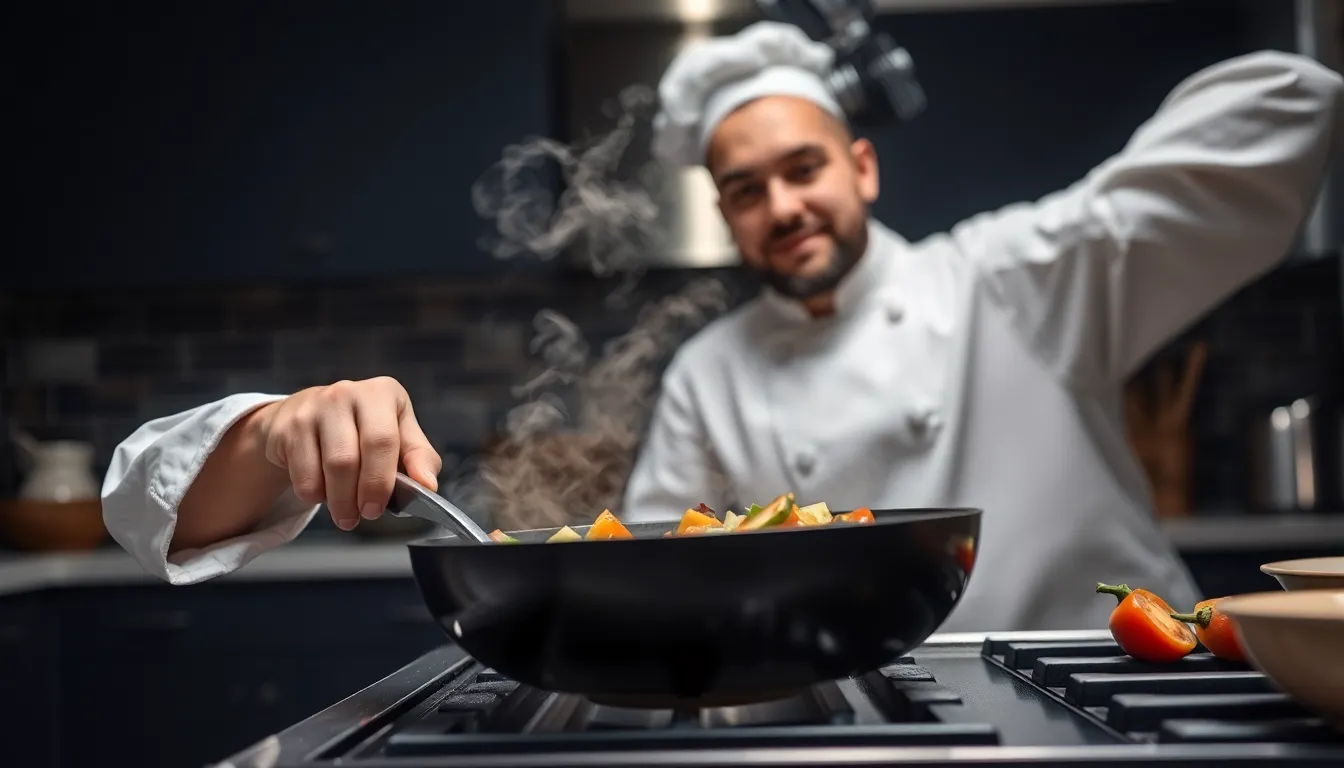
Cooking techniques form the backbone of achieving delicious meals. Mastering these methods empowers individuals to experiment with flavors and textures.
Boiling and Steaming
Boiling involves cooking food in water or broth at high temperatures, ideal for pasta and vegetables. Steam cooking uses water vapor to retain nutrients while softening food, perfect for delicate items like fish and greens. Both methods enhance the natural flavors without adding fats. Timing is crucial; overcooking can lead to mushiness or loss of vibrant colors. Using a pot with a lid traps steam, increasing efficiency when steaming. Temperature control is vital when boiling, as rapid boiling can lead to uneven cooking. For optimal results, always season water with salt before adding ingredients.
Sautéing and Frying
Sautéing quickly cooks food in a small amount of oil or fat over medium to high heat, maximizing flavor and color. This method suits vegetables, meats, and seafood, allowing for caramelization that enhances taste. Frying, on the other hand, involves cooking food in a larger quantity of oil, creating a crispy exterior. Control the oil temperature to prevent sogginess or burning; 350°F to 375°F works best for frying. It’s essential to avoid overcrowding the pan, as this can lower the oil temperature, resulting in uneven cooking. Stirring frequently during sautéing helps ensure even browning and prevents sticking.
Ingredients and Flavoring
Understanding ingredients is key. Each component contributes its unique taste and texture, influencing the dish’s overall profile. Essential ingredients include proteins (e.g., chicken, fish, legumes), grains (like rice and quinoa), and vegetables (such as carrots and broccoli). Each category plays a vital role in meal preparation.
Understanding Different Ingredients
Familiarity with ingredients boosts confidence. Proteins provide the foundation, serving as the main element in many meals. Grains serve as hearty accompaniments, enhancing satiety. Vegetables add color and nutrition, making meals visually appealing and healthy. Exploring ingredient properties sparks creativity in meal planning. Knowing cooking times and pairing tips helps create well-balanced dishes.
Herbs and Spices for Flavor
Harnessing the power of herbs and spices elevates any dish. Fresh herbs like basil and cilantro offer vibrant flavors that brighten recipes. Dried spices such as cumin and paprika add depth and warmth. Combining herbs and spices enhances flavors without extra calories or fat. Proper usage transforms simple meals into gourmet experiences, ensuring satisfaction with every bite. Experimenting with different blends can lead to exciting new creations.
Meal Preparation and Planning
Meal preparation and planning streamline the cooking process and enhance efficiency in the kitchen. Tidy organization paves the way for a more enjoyable cooking experience.
Organizing Your Kitchen
Creating a functional kitchen layout simplifies meal prep. Group similar tools together, placing knives, cutting boards, and measuring cups in close proximity. Store spices near the cooking area for easy access during meal preparation. Designate a specific area for meal prep, ensuring enough space for chopping and mixing. Utilize labeled containers to keep ingredients fresh and visible. A well-organized kitchen reduces stress and makes cooking more enjoyable.
Meal Prep Tips for Beginners
Finding efficient meal prep strategies can significantly enhance cooking skills. Start by planning meals for the week, selecting dishes that share ingredients and flavors. Batch cooking allows for preparing large quantities of food at once, saving time throughout the week. Consider using freezer-friendly meals, making it easy to store leftovers for quick lunches or dinners. Pre-chopping vegetables and marinating proteins in advance can also streamline daily cooking. Adopting these practices fosters confidence and inspires creativity in the kitchen.
Embracing the basics of cooking opens a world of possibilities in the kitchen. With the right tools and techniques anyone can transform everyday ingredients into extraordinary meals. Understanding the roles of various components and mastering essential cooking methods not only builds confidence but also encourages creativity.
By prioritizing safety and organization meal prep becomes a breeze. This approach not only enhances efficiency but also allows for experimentation with flavors and textures. As individuals practice and refine their skills they’ll discover that cooking is less about perfection and more about enjoyment and expression.


