

Imagine a world where dinner options were limited to raw veggies and the occasional game of “who can chew the longest.” Not exactly a Michelin-star experience, right? The journey of cooking food isn’t just about avoiding the dreaded stomach ache; it’s a fascinating tale of survival, evolution, and, let’s be honest, a little bit of culinary creativity.
Humans didn’t just wake up one day and decide that fire would make a great companion for their meals. The shift from foraging to cooking marked a pivotal moment in human history, unlocking flavors and nutrients that raw food simply couldn’t offer. So, why did our ancestors embrace the heat? Spoiler alert: it’s not just for the sizzle! Dive into this delicious exploration of how cooking transformed not only our diets but also our very existence.
The Evolution of Cooking
Cooking marked a profound shift in human development, intertwining with survival and social interactions. Early humans discovered that food prepared over fire provided safety and flavor enhancement.
The Advent of Fire
Fire became a critical component of cooking around 1.5 million years ago. It provided warmth, protection, and a means for cooking. Early humans learned to control fire for roasting meat, which improved taste and digestibility. Archaeological evidence shows significant dietary changes linked to fire usage, leading to increased caloric intake. Nutritional advancements fostered brain development, enabling early humans to evolve socially and culturally. Communities began gathering around fires, fostering cooperation and communication.
Early Cooking Methods
Diverse cooking methods emerged as humanity evolved. Boiling food in water became common around 20,000 years ago. Steaming via leaves and hot stones represented another approach. Roasting meats over open flames offered a quick cooking method. Early humans also utilized clay vessels for slow-cooking, which enhanced flavor and texture. Food preservation techniques, such as drying and fermenting, became essential in extending shelf life. Each method contributed uniquely to nutritional value and culinary practices, shaping diets for generations.
Nutritional Benefits of Cooking
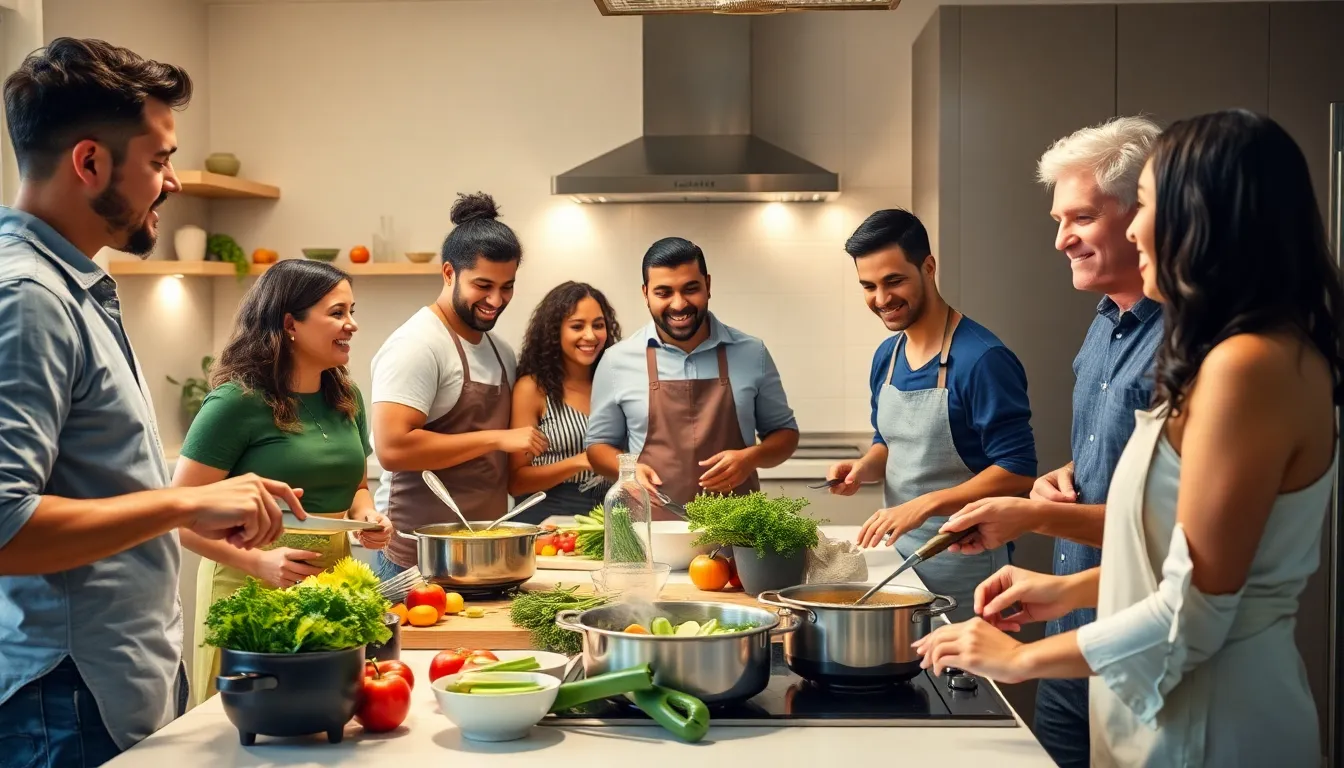
Cooking significantly enhances the nutritional profile of food. It transforms raw ingredients, making them easier for the body to digest and maximizing nutrient absorption.
Enhanced Digestibility
Cooking breaks down tough fibers and cell walls in food, making digestion smoother. Heat softens ingredients, allowing for easier access to nutrients. People often notice improved tolerance to different foods after cooking. For instance, cooking vegetables like carrots or spinach releases more carotenoids and iron, making these nutrients more accessible. Digestive enzymes also have a better chance to work on cooked food compared to raw forms. As a result, individuals can extract more energy and nutrition from their meals.
Increased Nutrient Availability
The process of cooking can increase the availability of essential nutrients. Certain vitamins and minerals become more bioavailable through heat. For example, cooking tomatoes boosts lycopene levels, a powerful antioxidant linked to various health benefits. Additionally, cooked grains provide enhanced levels of B vitamins compared to their raw counterparts. Cooking methods can also reduce anti-nutrients that inhibit absorption of minerals. By transforming food through cooking, humans can access a broader range of vital nutrients, supporting overall health and development.
Cooking and Social Development
Cooking significantly contributed to early human social structures. It fostered connections and collaborations, reshaping how communities formed and functioned.
Bonding Over Meals
Sharing meals created opportunities for bonding. People gathered around cooking fires, establishing trust and deepening relationships. These gatherings encouraged conversations and the exchange of stories. Emphasis on communal eating strengthened social ties. Furthermore, enjoyment of food facilitated collective experiences. Enhanced flavors from cooking sparked joy, promoting a sense of belonging. Over time, these shared mealtime rituals became integral to cultural identities.
Sharing Knowledge and Skills
Cooking also served as a medium for knowledge transfer. As individuals experimented with various ingredients and techniques, they shared discoveries with others. This collaborative learning cultivated a culture of skill development among groups. Experience with different cooking methods expanded culinary repertoire. Transmission of these culinary skills connected generations, preserving traditions. Through hands-on practice, younger members acquired valuable cooking techniques important for survival. Respect for diverse cooking practices grew, reinforcing community bonds and cultural pride.
Cultural Significance of Cooking
Cooking plays a crucial role in shaping cultural identity and practices. It reflects a society’s history, resources, and social interactions.
Diverse Culinary Traditions
Culinary traditions vary significantly across different cultures globally. Each culture incorporates unique ingredients and methods, revealing a community’s resource accessibility. For instance, Mediterranean diets often include olive oil and fresh herbs, while Asian cuisines highlight rice and various spices. Regional dishes evolve through ingredient variations, often passed down through generations. By sharing recipes and cooking techniques, cultures maintain their distinct culinary identities. Festivals and communal meals further emphasize the importance of cooking within a cultural context, celebrating regional flavors and fostering togetherness.
Cooking as an Art Form
Cooking transforms into an art form that combines creativity with technique. Chefs and home cooks express themselves through flavors, textures, and presentations. Techniques such as plating elevate meals, showcasing culinary artistry that delights the senses. Various cooking methods, including sous-vide and fermentation, allow for experimentation. Culinary competitions also highlight this artistic aspect, pushing chefs to innovate. Community food events encourage collaboration and creativity while celebrating culinary diversity. This artful approach instills pride and fosters a deeper appreciation for food within cultures around the world.
Cooking has been a transformative force in human history shaping diets social structures and cultural identities. By unlocking new flavors and enhancing nutrient absorption cooking not only improved health but also fostered community bonds. The act of gathering around a fire to share meals created connections that transcended mere survival.
As cooking evolved into an art form it encouraged creativity and innovation allowing individuals to express themselves through food. This journey through culinary practices reflects the richness of human experience and the importance of cooking in nurturing relationships and preserving traditions. Embracing this legacy continues to enrich lives today making cooking an essential aspect of humanity.


