
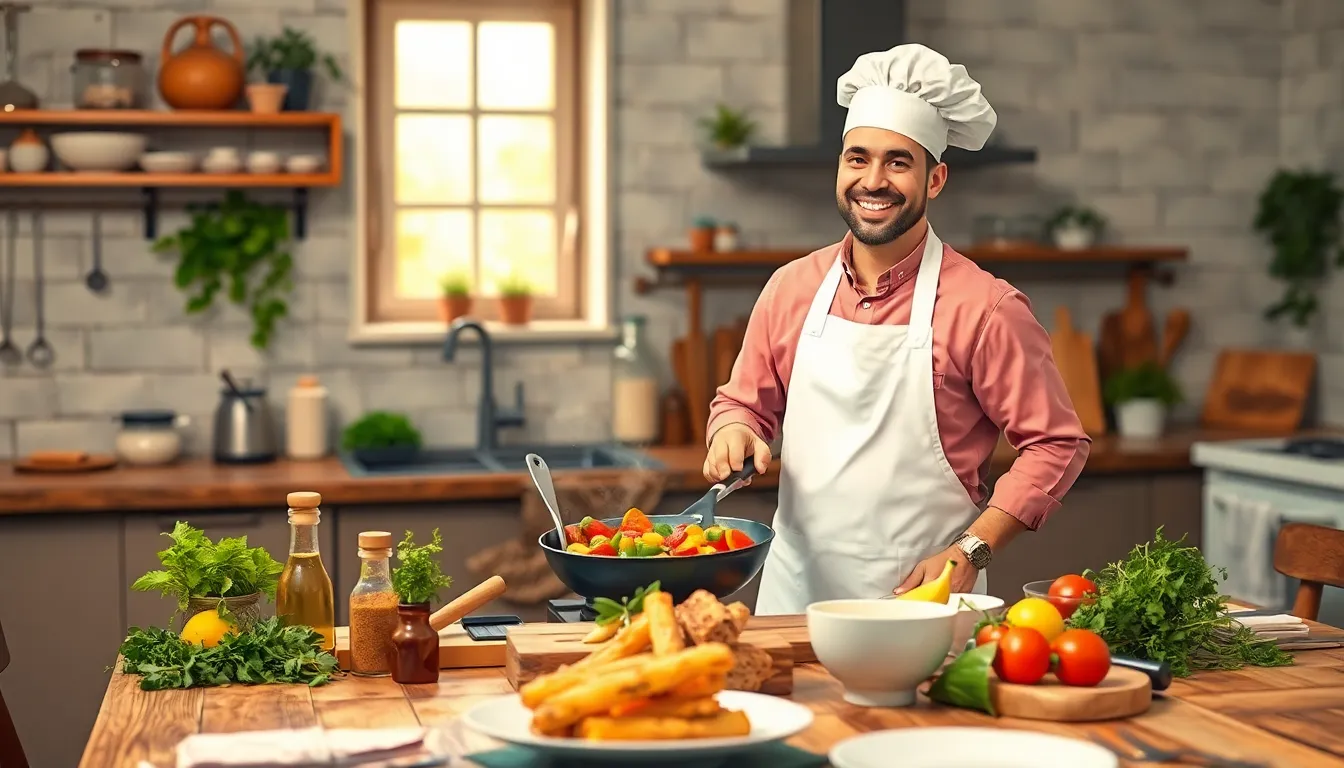
Cooking isn’t just about throwing ingredients together and hoping for the best. It’s an art form, a science experiment, and sometimes even a comedy show all rolled into one. Whether it’s whipping up a gourmet meal or mastering the perfect bowl of instant noodles, cooking transforms raw ingredients into delicious creations that can make anyone feel like a culinary genius.
What Is Cooking?
Cooking encompasses a range of techniques and methods used to prepare food. It serves not only as a means to create meals but also as a way to bring people together. Through cooking, individuals can express their creativity and cultural heritage.
Techniques in cooking include baking, boiling, grilling, sautéing, and steaming. Each method influences the texture and flavor of the finished dish. This process involves applying heat to raw ingredients, which transforms them into something enjoyable and nourishing.
Cooking is scientific, too; it requires understanding the chemical reactions that occur during the preparation process. For instance, caramelization occurs when sugar is heated, creating complex flavors. Similarly, cooking vegetables leads to the breakdown of cell walls, making them easier to digest.
Ingredients play a crucial role in cooking. Quality and freshness dictate the taste of the final dish. Herbs and spices enhance flavors, while sauces can add depth.
People enjoy cooking for various reasons. Some seek the thrill of creating new recipes, while others appreciate the comfort of traditional dishes. Cooking can also foster mindfulness and relaxation.
Food brings individuals together, promoting bonding and sharing. Family dinners, potlucks, and celebrations often center around home-cooked meals, emphasizing the communal aspect of cooking.
The History of Cooking

Cooking’s history spans thousands of years. It reflects cultural developments and technological advancements.
Early Human Cooking Methods
Early humans relied on basic techniques to prepare food. Roasting over open fires marked one of the first cooking methods, enhancing flavor and texture. They often used stones to heat food, while foraging provided them with natural ingredients. Utilization of natural resources shaped early diets and nutritional choices. Additionally, fermentation appeared as a method to preserve food, allowing communities to store nutrients for longer periods. These foundational practices laid the groundwork for culinary evolution.
Evolution of Cooking Techniques
Cooking techniques evolved significantly over time. The discovery of agriculture in the Neolithic era led to a more stable food supply. People began to bake bread, intensifying culinary diversity. In ancient civilizations, cooking methods like boiling, steaming, and grilling emerged, showcasing regional flavors and preferences. Innovations such as clay pots and metal utensils transformed food preparation and cooking efficiency. Gastronomy further developed during the Middle Ages, blending spices and techniques from different cultures, ultimately shaping modern culinary arts.
Cooking Techniques Explained
Cooking techniques play a crucial role in transforming ingredients into extraordinary dishes. These methods enhance texture, flavor, and overall culinary experience.
Boiling and Steaming
Boiling involves cooking food in water or broth at a consistent temperature, usually at 212°F (100°C). This method is common for pasta, vegetables, and eggs, where desired outcomes include tenderness and flavor infusion. Steaming, on the other hand, cooks food using steam from boiling water, preserving nutrients and moisture. This technique is ideal for vegetables and fish, resulting in vibrant colors and firm textures. Both methods lack added fats, contributing to healthy meal options.
Baking and Roasting
Baking utilizes dry heat in an oven to prepare bread, pastries, and casseroles. This technique allows for caramelization and browning, leading to a rich flavor profile and satisfying textures. Roasting is similar but typically applies to meats and vegetables. Temperatures range from 325°F (163°C) to 450°F (232°C), generating crispy exteriors while keeping interiors juicy. Seasoning enhances the natural flavors of roasted food, making it a popular choice for family meals and gatherings.
Sautéing and Frying
Sautéing involves cooking food quickly in a small amount of fat over medium-high heat, creating a delightful caramelized layer. This technique is perfect for vegetables, meats, and seafood, enhancing flavors through the Maillard reaction. Frying, contrastingly, submerges food in hot oil, resulting in a crispy texture and rich flavor. Different frying methods such as deep-frying or shallow-frying can alter outcomes, whether preparing French fries or tempura. Both techniques require attention to timing for optimal results.
The Science of Cooking
Cooking merges artistry with science, transforming ingredients into delicious meals through various chemical reactions and heat application.
Chemical Reactions in Cooking
Chemical reactions govern the cooking process. These reactions include caramelization, which brings out richness in sweet flavors, and the Maillard reaction, which produces complex savory notes through the browning of proteins and sugars. When vegetables are cooked, cell walls break down, releasing moisture and enhancing texture. Each reaction improves flavors, textures, and aromas, enriching the final dish. Furthermore, the use of herbs and spices interacts chemically with ingredients, amplifying flavors and creating distinct profiles in meals. Understanding these reactions helps chefs optimize their cooking techniques for tastier outcomes.
The Role of Heat in Food Preparation
Heat serves as a critical component in cooking, impacting texture and flavor. Different cooking methods rely on varying sources of heat, such as direct flames, dry heat from ovens, or steam. Each method affects the food’s outcome. For example, grilling imparts smoky flavors and a charred texture, while baking can create a moist, tender crumb in bread. Steaming preserves nutrients, making it ideal for vegetables, while frying achieves a crispy exterior. Controlling heat intensity and duration optimizes cooking times, enhancing the desired result in each culinary creation.
The Importance of Cooking
Cooking plays a vital role in health and community. Engaging in this activity provides numerous benefits that extend beyond just preparing meals.
Nutritional Benefits
Cooking at home significantly enhances nutritional intake. Control over ingredients results in healthier meals, reducing the reliance on processed foods. An individual can select fresh produce, lean proteins, and whole grains, thus facilitating balanced diets. Research indicates that home-cooked meals contain more nutrients compared to their restaurant counterparts. Preparation methods, such as steaming and baking, often retain essential vitamins and minerals. Furthermore, cooking allows for customization of recipes to meet specific dietary needs, such as gluten-free or vegan options. Ultimately, the act encourages mindful eating habits, which can lead to better weight management and improved overall health.
Cultural Significance
Cooking serves as a cultural cornerstone across global societies. Shared meals often connect individuals and foster social bonds. Traditional recipes, passed down through generations, reflect a community’s heritage and identity. Celebrations frequently center around food, which deepens cultural understanding and appreciation. Cooking techniques and flavors vary widely, showcasing local ingredients, customs, and practices. For instance, communal cooking practices bring families together, allowing for the exchange of stories and traditions. These culinary experiences not only nourish physically but also cultivate a sense of belonging and pride within communities, emphasizing cooking’s essential role in cultural preservation.
Cooking is a dynamic blend of creativity and science that transcends mere food preparation. It transforms simple ingredients into memorable meals while fostering connections among people. The techniques and methods explored not only enhance flavors but also create a sense of community and cultural identity.
As individuals embrace cooking, they discover the joy of experimentation and the comfort of tradition. This journey through culinary arts enriches lives and promotes well-being, making cooking an essential skill in today’s world. Whether it’s for nourishment or connection, cooking remains a vital part of human experience.


