

In a world increasingly focused on health and nutrition, the quest for perfect grains has gained momentum. These tiny powerhouses are more than just a staple; they’re packed with nutrients, fiber, and essential vitamins. Grains like quinoa, farro, and brown rice not only elevate meals but also contribute to overall well-being.
Choosing the right grains can transform a simple dish into a culinary delight while providing lasting energy. Perfect grains offer versatility, fitting seamlessly into various cuisines and dietary preferences. As more people embrace whole foods, understanding the benefits and uses of these grains becomes essential for anyone looking to enhance their diet.
What Are Perfect Grains?
Perfect grains refer to a selection of nutrient-dense grains that provide significant health benefits. These grains, including quinoa, farro, and brown rice, are rich in essential vitamins, minerals, and dietary fiber. Perfect grains offer a balanced source of carbohydrates, protein, and healthy fats.
Quinoa stands out for its complete protein profile, containing all nine essential amino acids. Farro, an ancient grain, provides high fiber content which aids digestion and supports heart health. Brown rice, a whole grain, retains its bran and germ, making it a nutritious choice for energy and maintaining stable blood sugar levels.
Inclusion of perfect grains in meals enhances nutritional value. They serve as bases for salads, sides, or main dishes, fitting various dietary preferences and cuisines. Adopting these grains can promote overall well-being and offer variety in daily food choices.
Nutritional Benefits of Perfect Grains
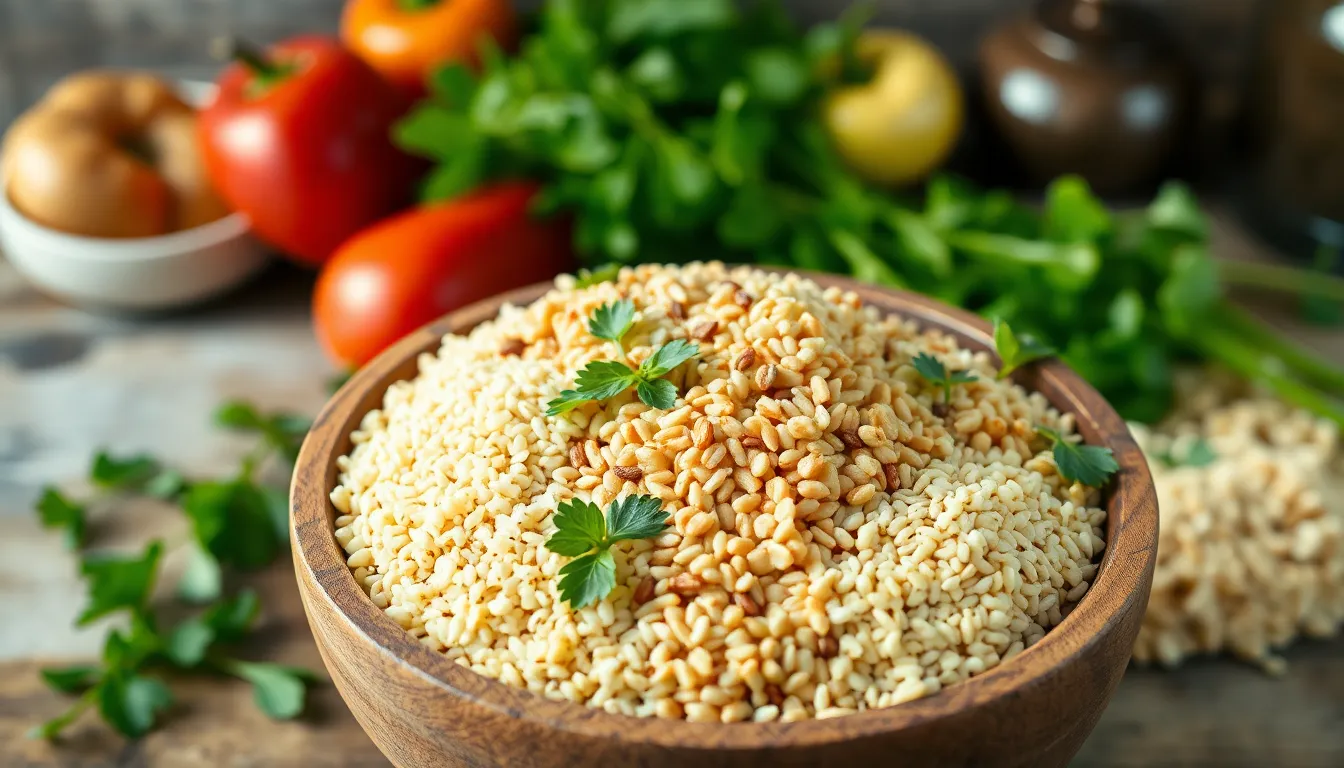
Perfect grains deliver substantial nutritional value, contributing to a balanced diet. Their rich composition of essential nutrients supports overall health and well-being.
Essential Nutrients
Perfect grains boast a variety of essential nutrients:
- Proteins: Quinoa contains all nine essential amino acids, making it a complete protein source.
- Fiber: Farro offers high fiber content, promoting digestive health and regularity.
- Vitamins: Brown rice is rich in B vitamins, such as thiamine and niacin, supporting energy metabolism.
- Minerals: Quinoa and farro provide vital minerals like magnesium and iron, benefiting muscle function and oxygen transport.
Health Advantages
Incorporating perfect grains into diets yields numerous health benefits:
- Weight Management: Fiber from whole grains aids in satiety, assisting in weight control.
- Heart Health: High fiber content reduces cholesterol levels, thus supporting cardiovascular health.
- Blood Sugar Control: Whole grains stabilize blood sugar levels, reducing the risk of type 2 diabetes.
- Digestive Health: Dietary fiber enhances digestion and prevents constipation.
Including perfect grains in meals ensures a nutrient-dense foundation for a healthy lifestyle.
Types of Perfect Grains
Perfect grains fall into two main categories: whole grains and pseudograins, each offering unique nutritional benefits and versatility in meals.
Whole Grains
Whole grains consist of all three parts of the grain kernel: bran, germ, and endosperm. These components ensure a higher nutrient density, providing fiber, B vitamins, and essential fatty acids. Common examples include:
- Brown Rice: Brown rice retains its bran and germ, offering fiber and nutrients that support digestive health and energy stability.
- Oats: Oats provide soluble fiber, which helps lower cholesterol levels and aids in maintaining a healthy heart.
- Barley: Barley is rich in beta-glucans, known to enhance immune function and control blood sugar levels.
Incorporating whole grains into daily meals promotes a balanced diet, contributing to weight management and long-term health benefits.
Pseudograins
Pseudograins are seeds that contain grains but do not belong to the Gramineae family. They serve as excellent alternatives to traditional grains, offering complete proteins and other vital nutrients. Notable examples include:
- Quinoa: Quinoa features a complete protein profile, rich in essential amino acids, making it a staple for vegetarian and vegan diets.
- Buckwheat: Buckwheat is gluten-free and high in antioxidants, supporting heart health and reducing inflammation.
- Amaranth: Amaranth is rich in protein and fiber, providing a nutritious option for those looking to diversify their grain intake.
Pseudograins enhance meal variety and provide options for those with gluten sensitivities while maintaining excellent nutritional profiles.
Cooking with Perfect Grains
Perfect grains offer versatility in the kitchen, making them easy to incorporate into various meals. Effective preparation techniques and innovative recipe ideas enhance their flavor and texture.
Preparation Techniques
- Rinsing grains: Rinsing grains such as quinoa removes bitterness and enhances digestibility. This step improves both flavor and texture.
- Soaking grains: Soaking grains like farro for a few hours or overnight reduces cooking time and increases nutrient absorption.
- Toasting grains: Toasting whole grains in a dry skillet enhances their nutty flavor. This technique intensifies the taste before cooking.
- Cooking ratios: Adhering to proper cooking ratios ensures optimal texture. For instance, use two cups of water for every one cup of quinoa.
- Steaming grains: Steaming brown rice maintains moisture and nutrients, ensuring a fluffy result. Steaming also preserves the grain’s natural flavor.
Recipe Ideas
- Quinoa salad: Combine cooked quinoa with cherry tomatoes, cucumber, and feta cheese for a refreshing salad. Drizzle with olive oil and lemon juice for added flavor.
- Farro bowl: Pair cooked farro with roasted vegetables and a poached egg. This nutrient-dense bowl provides a hearty meal, rich in protein and fiber.
- Brown rice stir-fry: Use brown rice as a base for a colorful stir-fry with bell peppers, broccoli, and tofu. This dish delivers essential nutrients while being quick to prepare.
- Buckwheat pancakes: Create gluten-free pancakes using buckwheat flour, almond milk, and eggs. These pancakes offer a wholesome breakfast option rich in protein.
- Amaranth porridge: Cook amaranth with almond milk and top with fruits and nuts. This warm porridge serves as a nutritious and filling breakfast choice.
Embracing perfect grains can transform meals and significantly enhance overall health. Their rich nutrient profiles and versatility make them an ideal choice for anyone looking to improve their diet. By incorporating grains like quinoa, farro, and brown rice, individuals can enjoy a variety of flavors while reaping substantial health benefits.
The ease of preparation and adaptability in various dishes ensures that perfect grains can fit seamlessly into any culinary routine. As more people become aware of their advantages, these grains are likely to play an essential role in promoting healthier eating habits and lifestyles. Making the switch to perfect grains is not just a dietary choice; it’s a step toward a more balanced and nutritious way of living.


