
Raccoons are nature’s masked bandits, charming and clever creatures that often steal the spotlight (and maybe a snack or two) with their playful antics. But have you ever wondered how long these furry troublemakers can live when they trade the wild for a cozy life in captivity?
Understanding Raccoon Lifespan
Raccoons typically exhibit varied lifespans based on their environment. Understanding these differences highlights the impact of captivity on their longevity.
Natural Lifespan vs. Captivity
In the wild, raccoons generally live about 2 to 3 years due to predation, disease, and food scarcity. In contrast, a captive raccoon can live up to 7 to 10 years with proper care and nutrition. This extended lifespan results from reduced risks and reliable access to food and veterinary care. While certain raccoons have reached up to 15 years in captivity, this longevity often reflects exceptional circumstances or dedicated guardianship.
Factors Influencing Lifespan
Numerous factors play a role in determining how long raccoons live. Diet quality significantly influences health; balanced nutrition supports longevity and vitality. Environmental conditions also matter; clean, spacious enclosures promote well-being. Regular veterinary check-ups reveal health issues early, contributing to a longer life. Social interactions affect their mental health, and stimulation through play can enhance emotional longevity. Consequently, each of these factors intertwines to determine lifespan in captivity.
Lifespan of Raccoons in Captivity
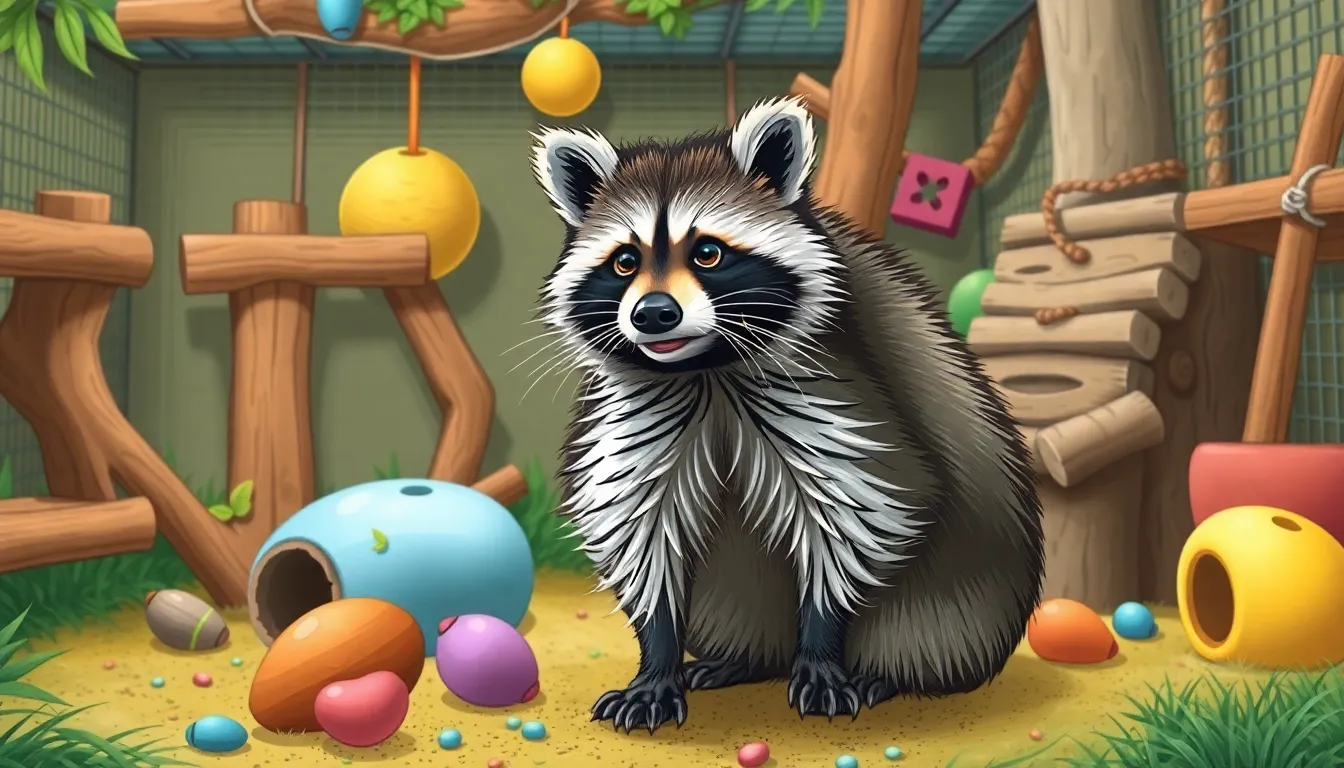
Raccoons in captivity exhibit considerably longer lifespans than their wild counterparts. With appropriate care and proper nutrition, these animals can live between 7 to 10 years. Exceptional cases exist, with some raccoons reaching up to 15 years.
Average Lifespan
The lifespan of captive raccoons averages around 10 years. This figure reflects the impact of regular veterinary care and a controlled diet. Environmental enrichment also plays a vital role, enhancing their quality of life. Raccoons thrive in habitats enriched with stimulation, which helps prevent health issues and encourages longevity.
Comparisons with Wild Raccoons
Wild raccoons face numerous challenges that shorten their lifespan. Predation, diseases, and food shortages result in an average lifespan of only 2 to 3 years. Comparison reveals that captivity significantly reduces these risks, allowing raccoons to enjoy healthier lives. Those in domestic settings benefit from consistent food access and a safer environment, illustrating the substantial difference in survival rates.
Care and Environment in Captivity
Raccoons thrive in well-managed environments with the right care. A focus on diet and enrichment contributes to their longevity and happiness in captivity.
Proper Diet and Nutrition
A balanced diet plays a vital role in a raccoon’s health. Feeding high-quality commercial raccoon food offers essential nutrients. Fruits and vegetables can complement their meals, providing necessary vitamins and fiber. Less than 25% of their diet should consist of protein sources like cooked meat or fish. Access to fresh water also keeps them hydrated. Monitoring portion sizes ensures they maintain a healthy weight, as obesity can lead to serious health issues. Regular consultation with a veterinarian helps tailor their diet to individual needs.
Importance of Enrichment
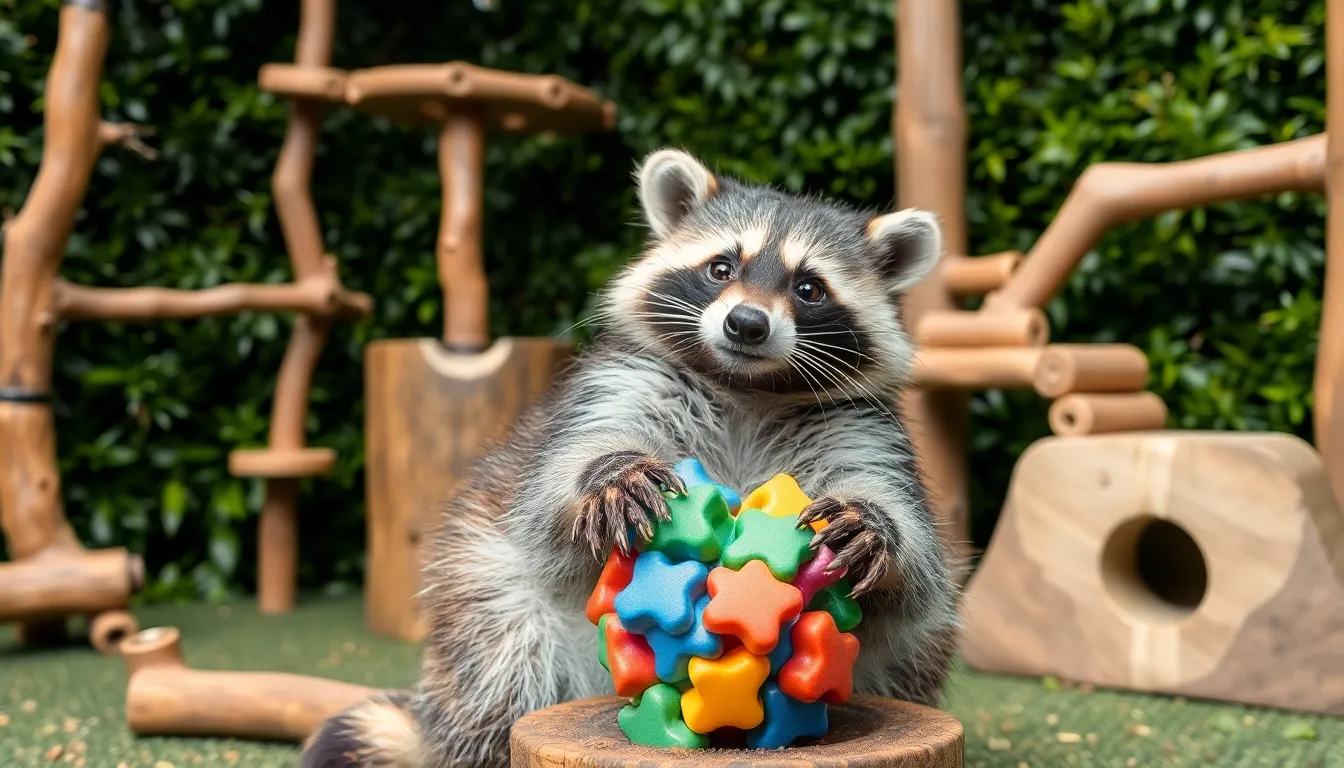
Environmental enrichment significantly enhances a raccoon’s quality of life. Introducing various toys promotes physical activity and mental stimulation. Raccoons enjoy climbing structures that encourage their natural behaviors. Routine changes in their habitat, such as rearranging objects, create new explorations. Social interactions with other raccoons can foster companionship and reduce stress. Engaging in puzzle feeders challenges their intelligence and prevents boredom. Enrichment activities are essential for promoting overall well-being in captivity.
Health Considerations
Health plays a crucial role in the lifespan of raccoons living in captivity. Ensuring they receive proper care and attention significantly contributes to their longevity.
Common Health Issues
Obesity frequently poses a threat to raccoons. Excess weight often leads to diabetes and joint problems. Additionally, dental disease can emerge due to poor diet and lack of chewing activities. Other common issues include skin infections and respiratory diseases. Regular monitoring helps identify these problems early. Exposure to other animals may increase the risk of infections. Providing a clean and safe environment reduces these health risks considerably.
Preventive Care
Preventive care is vital for maintaining raccoon health. Regular veterinary check-ups allow for early detection of health issues. Vaccinations protect against common diseases like rabies. A balanced diet consisting of high-quality raccoon food, fruits, and vegetables fosters overall well-being. Environmental enrichment is also essential, as it encourages physical activity and mental stimulation. Grooming routines help prevent skin conditions and reduce stress. Attention to these preventive measures ensures a healthier and longer life for captive raccoons.
Ethical Considerations
Captive raccoons experience different challenges compared to their wild counterparts. Their lifespan often extends due to the absence of natural predators. While wild raccoons may only live 2 to 3 years, those in captivity typically reach 7 to 10 years, with optimal care allowing some to live up to 15 years.
Captivity vs. Wild Living
Wild living presents numerous dangers, including predators and scarce food supplies. These stressors drastically shorten their lifespan, leading to an average of 2 to 3 years. In contrast, captivity provides a stable environment, adequate nutrition, and regular veterinary care, significantly enhancing their longevity. The controlled setting also minimizes risks associated with disease and competition for resources.
Raccoon Welfare
Raccoon welfare is paramount in captivity. Proper care includes a balanced diet consisting of high-quality food and supplements like fruits and vegetables. Engagement through environmental enrichment, such as climbing structures and puzzle feeders, fosters physical and mental health. Consistent social interaction supports their well-being, helping to prevent loneliness and boredom, which can lead to behavioral issues.
Raccoons in captivity can enjoy significantly longer lives compared to their wild counterparts. With proper care and attention to their needs, these intelligent animals can thrive for up to a decade or more. Factors like diet, veterinary care, and environmental enrichment play crucial roles in promoting their health and happiness.
Caring for a captive raccoon involves understanding their unique requirements and ensuring they receive the right nutrition and stimulation. By creating a safe and engaging environment, owners can help their raccoons lead fulfilling lives. Ultimately, the commitment to their well-being can result in a rewarding companionship that benefits both the raccoon and its caretaker.


