

In a world increasingly aware of environmental challenges, green living has emerged as a vital lifestyle choice. It’s not just a trend; it’s a commitment to sustainability that benefits both the planet and its inhabitants. By embracing eco-friendly practices, individuals can significantly reduce their carbon footprint and foster a healthier environment.
From simple changes like reducing waste to adopting renewable energy sources, green living encompasses a wide range of actions. It empowers people to make conscious decisions that promote a sustainable future. This article explores practical tips and insights into integrating green practices into everyday life, making it easier than ever to contribute to a healthier planet.
What Is Green Living?
Green living refers to a lifestyle that emphasizes sustainability, conservation, and environmental awareness. This approach involves making intentional choices that reduce an individual’s ecological footprint, promoting the health of the planet and its inhabitants. Green living encompasses a variety of practices, including:
- Reducing Waste: Minimizing waste generation through recycling, composting, and choosing reusable products. These actions decrease landfill contributions and lower resource demand.
- Using Energy Wisely: Implementing energy-efficient appliances and adopting renewable energy sources like solar or wind power. These choices lower utility bills and contribute to a cleaner energy grid.
- Conserving Water: Utilizing water-saving technologies, fixing leaks, and practicing mindful water usage. These efforts help preserve this vital resource while reducing monthly water expenses.
- Supporting Sustainable Food: Selecting organic, locally sourced food and reducing meat consumption. This not only supports local economies but also promotes biodiversity and decreases greenhouse gas emissions.
- Opting for Eco-Friendly Products: Choosing products made from sustainable materials or that have minimal environmental impact. These options often reduce harmful chemicals released into ecosystems.
- Prioritizing Transportation Choices: Using public transport, biking, or walking instead of driving. These alternatives significantly cut down on fossil fuel consumption and air pollution.
Green living encourages individuals to rethink their consumption habits and prioritize ecological health. By integrating these sustainable practices into daily routines, individuals contribute positively to the environment and promote a healthier future for all.
Benefits of Green Living
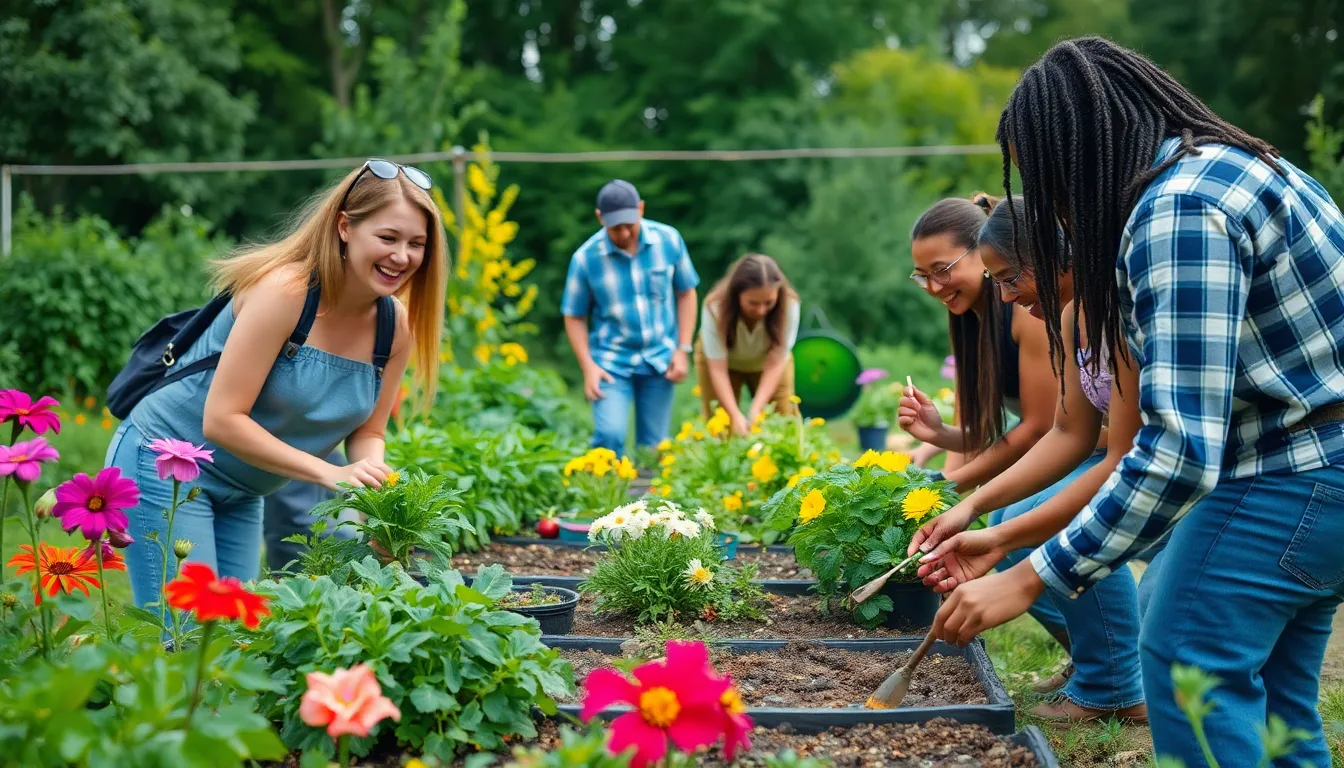
Green living offers numerous advantages, enhancing the connection individuals have with their environment and promoting sustainable practices. Embracing eco-friendly lifestyles results in significant benefits for both the planet and personal well-being.
Environmental Impact
Green living reduces pollution, conserves natural resources, and preserves ecosystems. By minimizing waste through recycling, individuals divert tons of materials from landfills. Utilizing renewable energy sources, such as solar and wind, cuts greenhouse gas emissions significantly. Conserving water through efficient appliances and practices helps protect vital freshwater sources. Supporting sustainable agriculture promotes biodiversity and reduces reliance on harmful pesticides. Prioritizing alternative transportation, such as cycling or public transit, lowers fossil fuel consumption dramatically, improving air quality for everyone.
Health Benefits
Green living enhances both physical and mental health. Exposure to toxic chemicals from non-eco-friendly products has harmful effects, while using organic and biodegradable alternatives reduces this risk. Regular outdoor activities promote fitness and relaxation, contributing to overall wellness. Eating locally sourced, organic foods improves nutrition and reduces the food carbon footprint. Sustainable practices also foster community connections, enhancing social well-being and mental health. Prioritizing clean air and water leads to fewer health-related issues, making a direct impact on overall life quality.
Tips for Embracing Green Living
Adopting green living principles enhances personal well-being and contributes to environmental preservation. Below are practical tips for individuals to integrate sustainable practices into their daily lives.
Sustainable Home Practices
- Minimize Waste: Use recycling and composting to reduce landfill contributions. Separate recyclables from general waste and create a compost bin for organic materials.
- Use Energy-Efficient Appliances: Choose appliances with the ENERGY STAR label for lower energy consumption. These products save electricity and reduce utility bills.
- Conserve Water: Install low-flow fixtures like showerheads and faucets. Fix leaks promptly to prevent water waste and consider rainwater collection systems for garden use.
- Opt for Eco-Friendly Materials: Select sustainable building materials such as bamboo or reclaimed wood for home renovations. These options lower environmental impact compared to traditional materials.
- Enhance Indoor Air Quality: Incorporate indoor plants to improve air quality naturally. Species like spider plants and peace lilies can absorb pollutants and increase oxygen levels.
Eco-Friendly Transportation
- Utilize Public Transit: Use buses and trains to lower personal carbon emissions. Public transport significantly reduces the number of vehicles on the road, contributing to less traffic congestion.
- Carpool and Rideshare: Share rides with friends or colleagues to decrease fuel consumption. Carpooling reduces the number of cars needed for travel, leading to fewer emissions.
- Choose Biking or Walking: Opt for biking or walking for short trips. These modes of transportation require no fossil fuels, promoting physical health along with environmental benefits.
- Invest in an Electric Vehicle (EV): Consider purchasing an EV or hybrid car. These vehicles produce lower emissions than traditional gasoline-powered cars, aligning with green living goals.
- Plan Efficient Routes: Use maps or apps to plan the most efficient routes. Reducing unnecessary driving saves fuel and lessens overall carbon footprint.
Integrating these tips fosters a lifestyle committed to sustainability and ecological responsibility.
Common Challenges in Green Living
Green living presents various challenges that individuals may face. Understanding these obstacles helps in developing strategies for a more sustainable lifestyle.
Overcoming Misconceptions
Misconceptions about green living often hinder progress. Many believe that eco-friendly practices are expensive, inconvenient, or only beneficial to the environment at the expense of personal comfort. Reality shows that sustainable choices frequently save money over time, such as energy-efficient appliances and reduced utility bills. Additionally, eco-friendly actions often enhance comfort, from improved indoor air quality to effective home insulation. Educating oneself about realistic options promotes informed decisions, dispelling myths surrounding green living.
Budget Considerations
Budget challenges frequently arise when adopting a green lifestyle. Initial costs for eco-friendly products and technologies, such as solar panels and green renovations, may seem high. However, various programs and incentives can alleviate these financial barriers. Tax credits for solar installations or energy-efficient upgrades reduce overall expenses. Community programs and local organizations often provide resources for financial assistance. Prioritizing cost-effective green choices, like composting and using cloth bags, can also ease financial strain while contributing to sustainability. Balancing eco-conscious decisions with personal finances fosters a successful green living journey.
Embracing green living is more than a trend; it’s a vital step toward a sustainable future. By making conscious choices, individuals can significantly impact their environment and enhance their well-being. Small actions like recycling, conserving water, and choosing eco-friendly products collectively lead to meaningful change.
Overcoming the challenges of adopting a green lifestyle is achievable with the right mindset and resources. It’s essential to recognize that sustainable practices can be both cost-effective and convenient. As more people commit to eco-friendly habits, the ripple effect can inspire entire communities to join the movement.
Ultimately, green living fosters a healthier planet and promotes a better quality of life for everyone. By prioritizing sustainability, individuals contribute to a brighter future for themselves and generations to come.


