

In a world where takeout reigns supreme and microwave meals have become a culinary staple, the art of cooking often feels like a lost treasure. But fear not! Unearthing those cook skills can transform anyone from a kitchen novice into a culinary wizard. Imagine the joy of crafting a mouthwatering dish that doesn’t just fill the belly but also impresses the taste buds.
Essential Cook Skills for Beginners
Developing fundamental cook skills enhances the cooking experience. Beginners can focus on two crucial areas: knife skills and cooking techniques.
Knife Skills
Mastering knife skills significantly improves efficiency in the kitchen. Holding the knife properly allows for better control and precision. Dicing, slicing, and chopping vegetables become simpler with practice. Learning to use different knives, like chef’s knives and paring knives, also plays an important role. Regular practice can increase speed and safety while reducing waste. Using a cutting board stabilizes ingredients as one cuts them, ensuring uniformity in size and appearance.
Cooking Techniques
Understanding various cooking techniques is essential for beginners. Techniques like sautéing, boiling, and roasting form the foundation of meal preparation. Sautéing quickly cooks food in a small amount of fat, enhancing flavors. Boiling involves cooking food in water or broth, perfect for pasta and vegetables. Roasting utilizes dry heat to create crisp textures and encourage caramelization. Experimenting with these techniques leads to a deeper appreciation of cooking. Familiarity with them inspires creativity and confidence in the kitchen.
Advanced Cook Skills
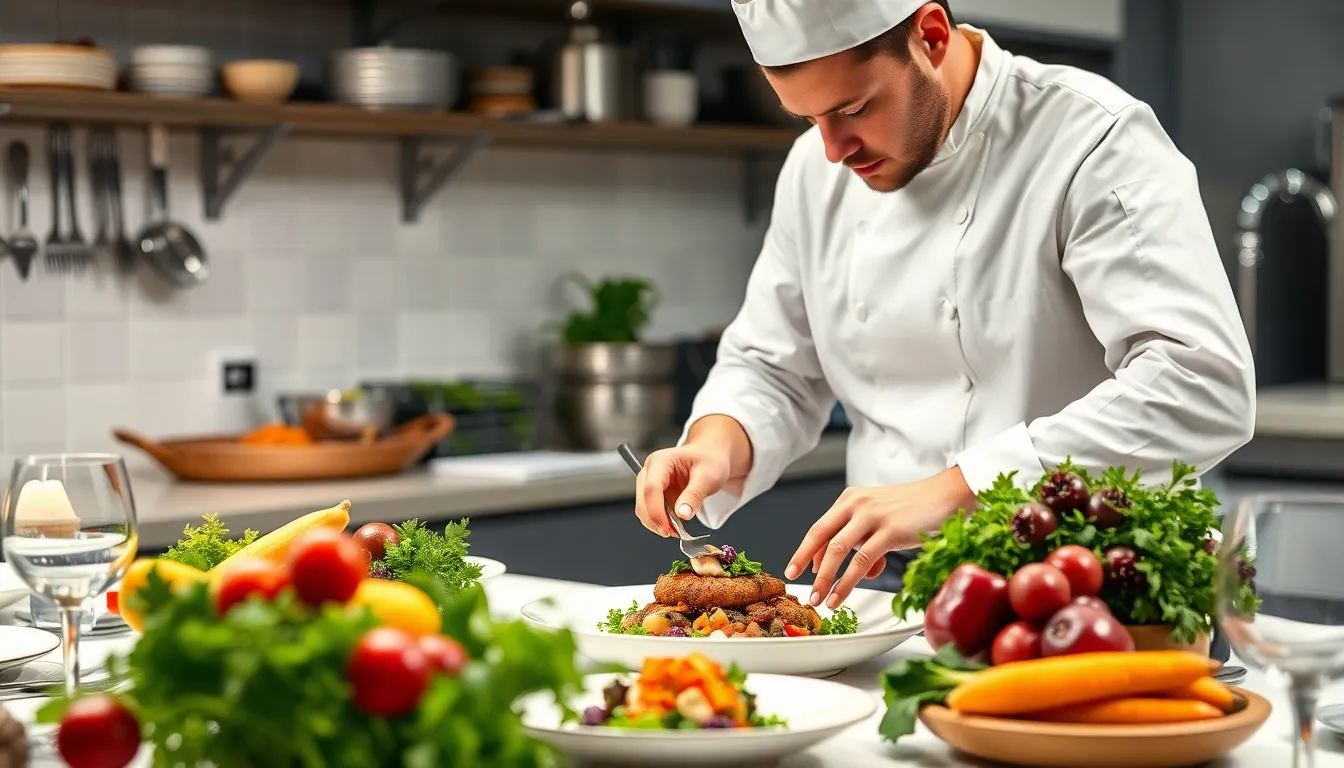
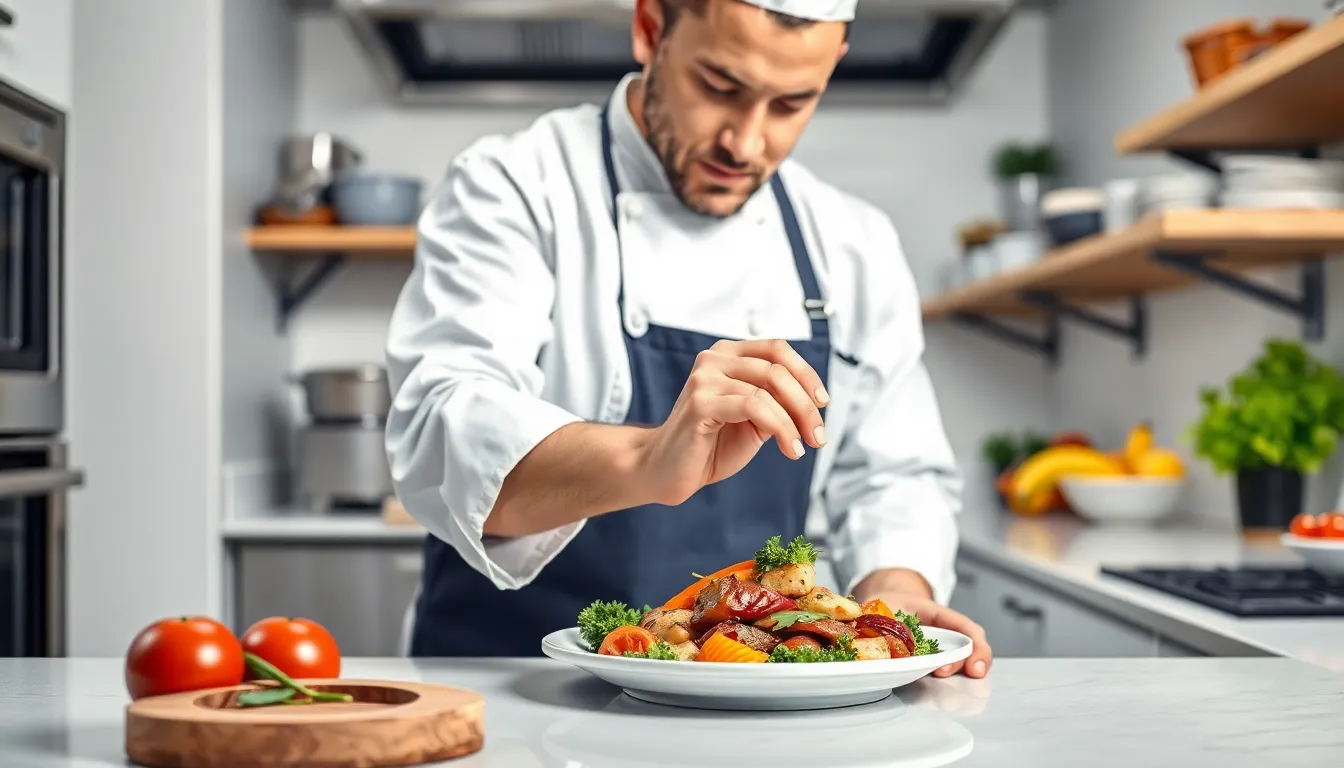
Advanced cooking skills elevate culinary creations, enhancing flavor and presentation. Mastering these techniques significantly enriches the cooking experience.
Flavor Profiles
Understanding flavor profiles transforms ordinary dishes into extraordinary meals. Seasons, ingredients, and cooking methods all contribute to a dish’s overall taste. Each cuisine has unique profiles, like the umami richness of Japanese cooking or the spice-forward dishes from Indian traditions. Using herbs and spices can highlight flavors effectively. Balancing sweet, salty, sour, and bitter elements creates complexity. Experimenting with different combinations encourages creativity in the kitchen. Techniques like marinating, infusing, and layering flavors can deepen the dish’s taste. Familiarity with regional ingredients also enhances flavor understanding.
Presentation Skills
Presentation skills elevate the dining experience, making meals visually appealing. The arrangement of food on a plate can influence perception and enjoyment. Practicing techniques like garnishing, layering, and utilizing contrasting colors adds sophistication. Plates should showcase the main components creatively. Using height can create dynamic visual interest, while negative space allows the eye to focus. Choosing the right tableware enhances the overall aesthetic, from elegant plates to rustic bowls. Consideration of texture, color, and composition will engage the senses. Attention to detail in presentation underscores the effort put into cooking.
Tools and Equipment for Effective Cooking
Proper tools and equipment enhance the cooking experience, making meal preparation efficient and enjoyable. Access to high-quality kitchen tools and cookware encourages creativity and boosts confidence in the kitchen.
Must-Have Kitchen Tools
Knives serve as essential tools for any cook. A chef’s knife can handle a variety of cutting tasks. Cutting boards protect surfaces and facilitate easy food prep. Measuring cups provide accuracy in ingredient amounts, ensuring consistent results. A good set of mixing bowls allows for easy combining of ingredients. Tongs offer precision when flipping meats or tossing salads. Lastly, a whisk is great for blending or emulsifying sauces.
Essential Cookware
Skillets form the backbone of stovetop cooking. A cast-iron skillet holds heat well and adds flavor to dishes. Saucepan versatility extends from boiling to simmering sauces. Stockpots are perfect for making soups or stews in larger quantities. Baking sheets, essential for oven-based preparations, create crispy textures for roasted vegetables or cookies. Slow cookers provide convenience with set-it-and-forget-it functionality. Finally, nonslip baking dishes ensure safe transfer from oven to table.
Building Your Cooking Confidence
Building confidence in the kitchen stems from practice and experimentation. Set achievable goals, starting with simple recipes that allow for learning and growth. As they cook, enthusiasts discover their unique style, enhancing their creativity. Communication also plays a role; sharing experiences with peers fosters a supportive environment.
Seeking feedback on dishes encourages improvement. Engaging with online communities creates opportunities for advice and inspiration. They can swap tips on flavor combinations, cooking techniques, and presentation styles. Regularly trying new recipes expands skill sets and builds a repertoire of dishes.
Failing at a recipe doesn’t equate to failure in cooking. Instead, it offers valuable lessons that contribute to mastery. Each attempt contributes to a deeper understanding of flavors and techniques. Learning from mistakes empowers cooks to tackle more complex challenges.
Setting up a well-organized kitchen reduces stress and enhances the cooking experience. Labeling ingredients and utensils promotes efficiency, making the process enjoyable. A clutter-free workspace encourages focus, allowing for creativity and innovation.
Using high-quality ingredients boosts confidence and improves results. Fresh, seasonal produce heightens flavors and encourages experimentation. Investing in premium ingredients also elevates the overall cooking experience.
Building cooking confidence requires time and patience. Celebrating small victories reinforces progress, motivating chefs to continue honing their skills. Over time, they become adept in the kitchen, transforming cooking from a task into a genuine pleasure.


