

Cinematic art weaves together storytelling, visual aesthetics, and sound to create immersive experiences that captivate audiences. This unique blend transforms mere images on a screen into powerful narratives that evoke emotions and provoke thought. From the sweeping landscapes of epic films to the intimate close-ups of character-driven stories, cinematic art transcends boundaries and connects people across cultures.
As technology continues to evolve, so does the artistry behind cinema. Filmmakers push creative limits, experimenting with techniques that enhance storytelling and engage viewers in new ways. Understanding cinematic art not only enriches one’s appreciation for film but also highlights its impact on society and culture. Whether it’s through groundbreaking visuals or compelling narratives, the world of cinematic art invites exploration and inspires creativity in everyone.
Understanding Cinematic Art
Cinematic art intertwines storytelling, visual elements, and sound to form unique narratives that impact audiences deeply. This exploration covers its definition, scope, and historical development.
Definition and Scope
Cinematic art refers to the creative process behind filmmaking that encompasses various elements such as narrative structure, visual composition, and sound design. This art form includes genres like drama, comedy, and documentary, each using distinct methods to convey themes. Cinematic art embraces various techniques, including cinematography, editing, and production design, enhancing the overall viewer experience. The scope of cinematic art extends beyond entertainment; it influences culture, shapes societal perspectives, and evokes emotional responses.
Historical Context
Cinematic art has evolved significantly since its inception in the late 19th century. Early films, such as “The Great Train Robbery” (1903), established basic storytelling techniques through silent shorts. The introduction of synchronized sound in the late 1920s transformed the industry, with films like “The Jazz Singer” (1927) revolutionizing audience engagement. The 1970s marked a turning point with filmmakers like Francis Ford Coppola and Martin Scorsese pushing creative boundaries. The rise of digital technology in the 21st century further advanced cinematic art, enabling innovations in visual effects and storytelling methods. This historical evolution highlights the dynamic nature of cinematic art and its ability to reflect and shape contemporary culture.
Key Elements of Cinematic Art
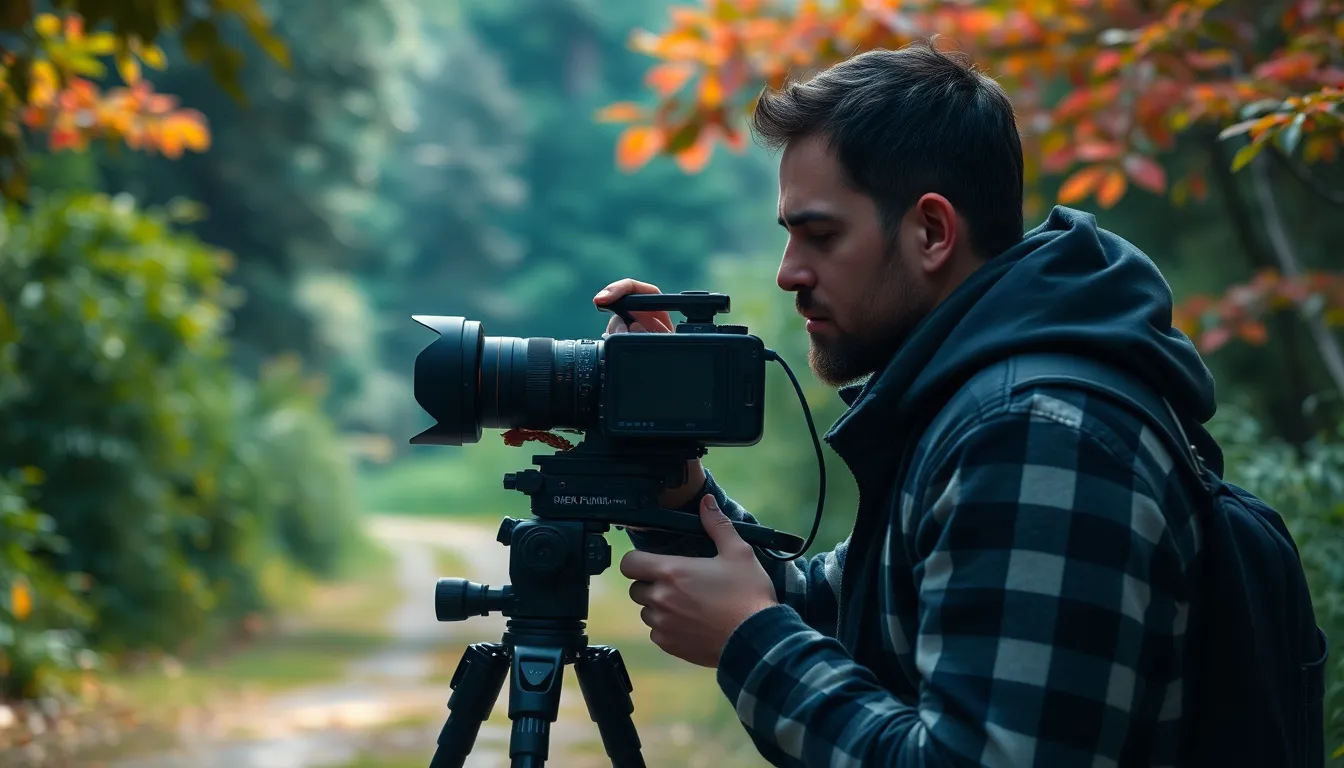
Cinematic art interweaves various elements to create compelling stories and immersive experiences. Three primary components—visual composition, narrative techniques, and sound design—form the foundation of this art form.
Visual Composition
Visual composition involves the arrangement of elements within the frame to convey meaning and emotion. Techniques such as framing, lighting, and color palette play crucial roles.
- Framing: Shapes the viewer’s perspective by determining what is included in the shot. For example, wide shots capture expansive landscapes, while close-ups focus on character emotions.
- Lighting: Influences mood and tone. Natural lighting evokes realism, while dramatic lighting can emphasize tension or highlight specific details.
- Color Palette: Sets the emotional undertone. Warm colors often convey warmth or passion, while cool tones can evoke detachment or sadness.
Narrative Techniques
Narrative techniques guide the story’s structure and flow. Filmmakers employ various strategies to engage the audience.
- Story Arc: Establishes the progression from introduction to climax to resolution. A well-crafted arc maintains viewer interest and emotional investment.
- Character Development: Involves creating multidimensional characters with clear motivations. Audiences connect with characters struggling, evolving, or facing dilemmas.
- Non-linear Storytelling: Provides a unique narrative structure that can enhance intrigue. Flashbacks, flash-forwards, and parallel storylines allow for complex storytelling.
Sound Design
Sound design enriches cinematic art through auditory elements that enhance the storytelling experience.
- Dialogue: Facilitates character communication and advances the plot. Natural delivery and clear enunciation strengthen audience connection.
- Sound Effects: Adds realism and immerses viewers. Background noises like birds chirping or cars honking ground the story in a believable environment.
- Music Score: Elevates emotional resonance. A well-timed score can heighten suspense, evoke nostalgia, or enhance joy during key moments.
Cinematic art thrives on the integration of these elements, allowing filmmakers to craft stories that resonate profoundly with audiences.
The Role of Cinematic Art in Storytelling
Cinematic art plays a pivotal role in storytelling by creating profound emotional connections and engaging audiences. This art form carefully combines visual and auditory elements to craft compelling narratives.
Emotional Impact
Cinematic art elicits strong emotional responses through various techniques. Filmmakers use visual composition, such as lighting and color, to set the mood and highlight character emotions. Music scores and sound design further enhance this impact, guiding audience feelings and reactions throughout the film. For instance, the use of silence can heighten tension or evoke sorrow, while uplifting scores can inspire joy and excitement. These elements intertwine to create experiences that resonate deeply, allowing viewers to empathize with characters and their journeys.
Audience Engagement
Cinematic art captivates audiences by employing narrative techniques that foster engagement. Story arcs, character development, and innovative storytelling methods immerse viewers in the plot. Non-linear timelines and cliffhangers maintain suspense and provoke curiosity, compelling audiences to remain invested in the unfolding story. Moreover, the art of pacing keeps viewers alert and responsive, while visual elements draw them into the film’s world. By creating relatable characters and scenarios, cinematic art encourages reflection on personal experiences and societal issues, reinforcing its significance in contemporary culture.
Influential Figures in Cinematic Art
Cinematic art features a range of influential figures who shape its development and define its creative direction. Directors, cinematographers, and screenwriters play pivotal roles in crafting compelling narratives and visual experiences.
Directors
Directors are the visionaries behind a film, guiding its artistic and narrative components. They interpret scripts, direct actors, and oversee the overall production process to realize their creative vision. Notable directors include:
- Alfred Hitchcock: Known as the “Master of Suspense,” he revolutionized thriller films with his innovative camera techniques and psychological depth.
- Martin Scorsese: Famed for his storytelling prowess, Scorsese’s works often explore themes of morality and identity within American culture.
- Ava DuVernay: Recognized for her commitment to social justice themes, DuVernay’s films address important cultural narratives, pushing for representation in Hollywood.
Cinematographers
Cinematographers, or directors of photography, capture the visual essence of a film. Their expertise in lighting, camera angles, and shot composition significantly influences the audience’s perception. Key cinematographers include:
- Roger Deakins: His use of natural lighting and masterful composition earned him multiple Academy Awards. Deakins’s work in films such as Skyfall and 1917 exemplifies his unique visual style.
- Emmanuel Lubezki: Known for his continuous shot techniques in films like Birdman and The Revenant, Lubezki creates immersive experiences that enhance storytelling.
- Rachel Morrison: As the first woman nominated for a Best Cinematography Oscar, Morrison’s work in Mudbound showcases her ability to portray raw human emotion through visuals.
Screenwriters
- Charlie Kaufman: Renowned for his thought-provoking narratives, Kaufman’s scripts like Eternal Sunshine of the Spotless Mind challenge conventional storytelling.
- Nora Ephron: Known for her witty dialogue and romantic comedies, Ephron’s films such as When Harry Met Sally reflect her keen understanding of relationships.
- Jordan Peele: Accruing critical acclaim for his socially conscious horror films like Get Out and Us, Peele’s writing intertwines genre elements with cultural commentary.
Contemporary Trends in Cinematic Art
Contemporary cinematic art showcases constant innovation and creativity. As filmmakers explore new technologies and storytelling methods, these trends shape the future of the medium.
Technological Advancements
Technological advancements transform cinematic art by enhancing production quality and creative possibilities. Digital cameras, for instance, offer unprecedented flexibility in shooting, allowing for high-resolution imagery and diverse lighting conditions. Visual effects (VFX) have evolved as well, integrating computer-generated imagery (CGI) seamlessly into live-action films. Streaming platforms like Netflix and Amazon Prime expand access to a broader audience, changing distribution models and viewing habits. Moreover, virtual reality (VR) and augmented reality (AR) technologies create interactive experiences that immerse viewers in storytelling, pushing the boundaries of traditional film formats. These advancements enable filmmakers to create compelling narratives that resonate with 21st-century audiences.
New Narrative Forms
New narrative forms emerge in cinematic art as creators experiment with structure and storytelling techniques. Anthology films, which feature interconnected yet standalone stories, provide viewers with varied perspectives and themes. Transmedia storytelling allows narratives to unfold across multiple platforms, engaging audiences in different formats and dimensions. Serialized storytelling in streaming series offers long-form character development, allowing for deeper exploration of themes and relationships. Furthermore, non-linear narratives challenge conventional storytelling, inviting audiences to engage actively with plot structures. These innovative narrative forms reflect contemporary societal dynamics and cater to the changing preferences of modern viewers.
Cinematic art continues to thrive as a powerful medium that transcends boundaries and connects people through storytelling. Its ability to evoke emotions and provoke thought ensures its relevance in today’s rapidly changing cultural landscape. As filmmakers embrace technological advancements and innovative narrative techniques, they push the limits of creativity and redefine audience engagement.
The collaborative efforts of directors, cinematographers, and screenwriters play a crucial role in shaping this dynamic art form. With each new project, cinematic art not only entertains but also reflects societal values and challenges conventions. As it evolves, it invites audiences to explore diverse perspectives and engage with the world in meaningful ways.


