
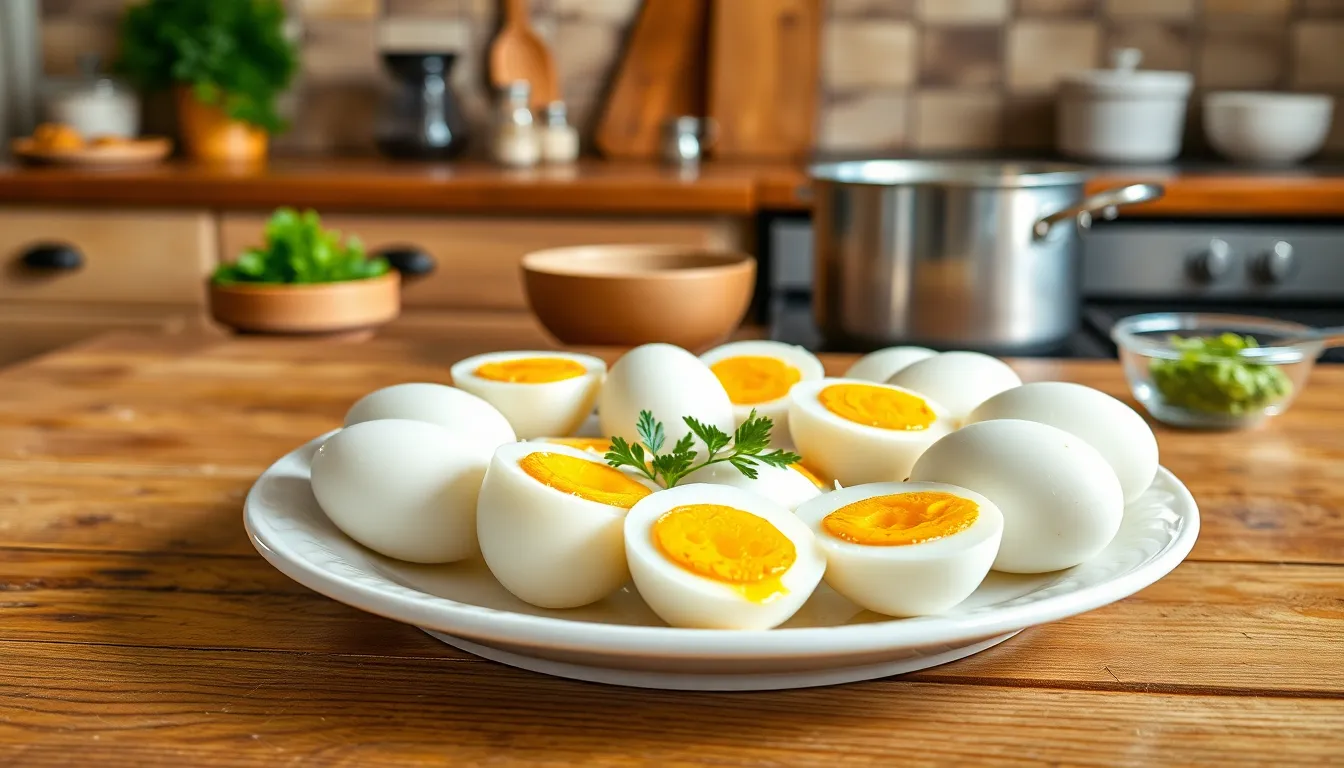
Boiling eggs might seem like a simple task, but it’s an art form that can turn breakfast into a culinary masterpiece—or a rubbery disaster. Whether you’re crafting the perfect soft-boiled egg for that Instagram-worthy brunch or aiming for a hard-boiled delight to pop into your salad, mastering the boiling technique can elevate your egg game to new heights.
Imagine impressing friends with your egg-cooking prowess while avoiding the dreaded green ring around the yolk. It’s time to crack the code on boiling eggs and transform this everyday kitchen chore into a fun and rewarding experience. Get ready to discover tips and tricks that’ll have you boiling eggs like a pro, ensuring every bite is a delicious triumph.
Importance Of Boiling Eggs
Boiling eggs offers numerous nutritional benefits, making them a staple food in many diets. High in protein, one large boiled egg provides approximately 6 grams of protein, essential for muscle repair and growth. Eggs also contain important vitamins and minerals like vitamin D, B12, and selenium.
Cooking methods impact the texture and flavor of eggs significantly. Soft-boiled eggs yield a runny yolk, enhancing dishes like ramen or toast. Hard-boiled eggs provide a firmer texture, perfect for salads, sandwiches, and snacks. Mastering boiling techniques ensures consistency and prevents overcooking, which can create the undesirable green ring around the yolk.
Cost-effectiveness is another advantage of boiling eggs. Eggs are relatively inexpensive, offering a nutritious and filling option for breakfast or snacks. Preparing them at home saves money compared to purchasing pre-cooked options.
Safety in handling and cooking is crucial, making proper boiling a practical skill. Thorough cooking eliminates bacteria such as Salmonella, ensuring safe consumption. Following guidelines helps maintain food safety standards while enhancing flavor and texture.
Convenience matters in today’s fast-paced world. Boiling eggs requires minimal time and effort, often completing in under 15 minutes. This quick preparation method provides an easy meal option for busy mornings or meal prep.
Delicately adding different seasonings elevates the experience of boiled eggs. Popular choices include salt, pepper, or hot sauce, enhancing flavor profiles to personal preferences. Adapting recipes with herbs or spices can introduce variety into an otherwise simple dish.
Different Methods Of Boiling Eggs
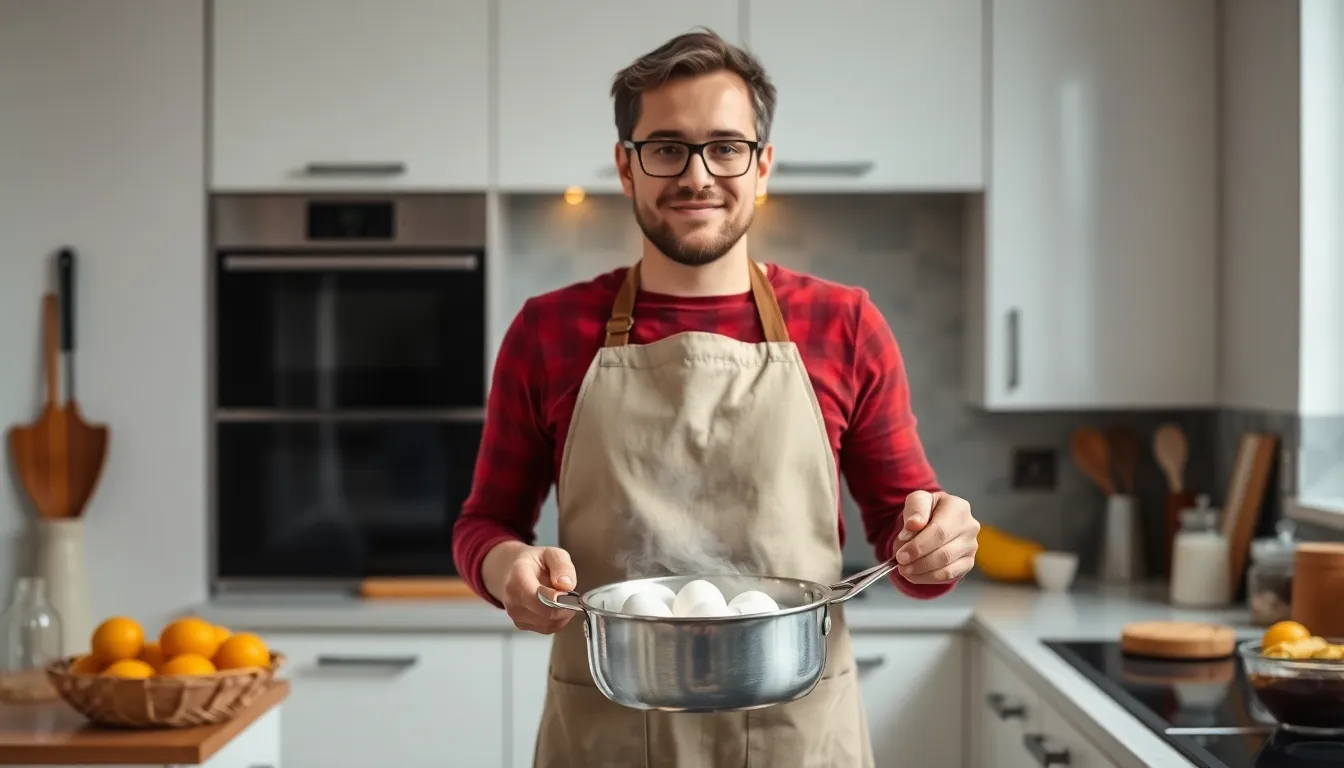
Various methods exist for boiling eggs, each offering unique advantages and results. Understanding these techniques can enhance cooking skills and yield perfectly boiled eggs.
Stovetop Method
This classic stovetop method involves placing eggs in a pot and covering them with cold water by about an inch. After bringing the water to a rolling boil, cover the pot and remove it from heat, letting the eggs sit for specific time frames based on the desired doneness. For soft-boiled eggs, a 6-minute wait achieves a runny yolk, while a 9 to 12-minute wait creates hard-boiled eggs. Once the time is up, transferring eggs to an ice bath stops cooking and eases peeling.
Instant Pot Method
Using an Instant Pot simplifies the boiling process significantly. Place eggs on a steam rack and add one cup of water to the pot. Sealing the lid and selecting high-pressure for 5 to 7 minutes yields soft to hard-boiled eggs, depending on timing. After cooking, quick release the pressure and transfer eggs to an ice bath to cool. This method ensures consistent results and quick cooking times, making it ideal for busy lifestyles.
Microwave Method
Microwaving eggs may seem unconventional, but it’s a quick alternative. To start, add water to a microwave-safe bowl and place the egg inside, ensuring it’s submerged. Cover the bowl with a microwave-safe plate, then heat on high for 6 to 10 minutes, depending on the desired firmness. Adjusting the heating time may be necessary based on microwave wattage. Immediately placing eggs in cold water post-cooking helps stop the cooking process and makes peeling easier.
Perfect Boiled Eggs: Tips And Tricks
Achieving the perfect boiled egg involves precise techniques and considerations. Mastering these tips ensures delicious results every time.
Timing For Soft, Medium, And Hard-Boiled Eggs
Timing plays a key role in determining the doneness of boiled eggs. For soft-boiled eggs, cook them for 4 to 6 minutes. This duration creates a creamy yolk and tender whites. Medium-boiled eggs require 7 to 9 minutes, producing a slightly firmer yolk. For hard-boiled eggs, let them boil for 10 to 12 minutes to achieve a fully cooked yolk without a green ring. It’s crucial to adjust these times based on the egg size and altitude, as variations can impact cooking results.
Temperature Considerations
Temperature impacts the boiling process significantly. Start with eggs placed in cold water for even cooking. Heating the water gradually helps prevent cracking. After boiling, transfer eggs to an ice bath rapidly. This method halts cooking, ensuring desired doneness and easier peeling. Maintaining consistent water temperature during cooking also helps achieve uniform results. Experimenting with temperatures and times can lead to personal preferences, refining the boiling technique further.
Common Mistakes To Avoid
Starting with the wrong egg temperature can lead to problems. Using cold eggs directly from the refrigerator may increase the risk of cracking during boiling. Instead, it’s ideal to bring eggs to room temperature for better results.
Not timing the boiling process accurately causes undesirable outcomes. For perfect soft-boiled eggs, timing must range from 4 to 6 minutes. In contrast, medium-boiled eggs should be cooked for 7 to 9 minutes, while hard-boiled eggs need 10 to 12 minutes. Each minute can significantly impact texture and flavor.
Failing to create an ice bath risks overcooking. Transfer boiled eggs to an ice bath immediately after boiling to halt the cooking process. This step not only prevents undesired solids but also simplifies peeling.
Neglecting to set a timer often leads to uncertainty. Using a kitchen timer or timer app ensures optimal cooking times are observed. This tool helps in achieving the preferred doneness consistently.
Skipping the initial cold water phase can also contribute to cracking eggs. Beginning with eggs submerged in cold water allows for gradual heating. This technique helps avoid sudden temperature changes that cause shells to break.
Overcrowding the pot often yields uneven results. Cooking too many eggs at once can limit consistent heat distribution. It’s best to boil eggs in smaller batches for uniform cooking.
Omitting salt in the water can complicate peeling. Adding a pinch of salt can help make shells easier to remove. This simple addition makes for a more enjoyable eating experience.
Not experimenting with various methods can limit boiled egg enjoyment. Different techniques like the stovetop, Instant Pot, and microwave allow for more versatility. Each method has its advantages, making it fun to discover personal preferences.
Mastering the art of boiling eggs can transform breakfast into a delightful experience. By understanding the nuances of cooking times and techniques, anyone can achieve the perfect soft or hard-boiled egg. The nutritional benefits and versatility of boiled eggs make them a staple in many diets.
Experimenting with different methods not only enhances cooking skills but also adds variety to meals. With a few simple tips and a bit of practice, boiled eggs can become a favorite dish that’s both satisfying and nutritious. Whether enjoyed on their own or as part of a larger recipe, they’re sure to impress.


