
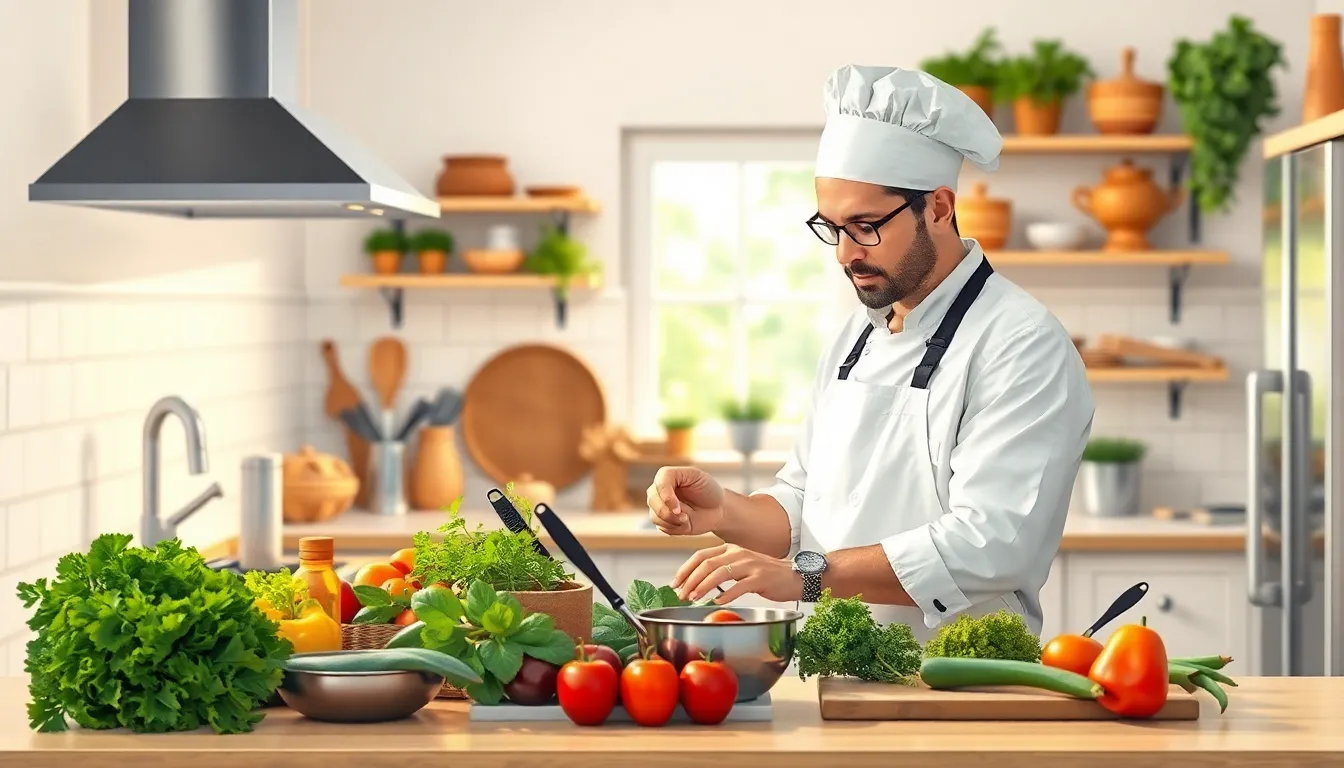
Cooking can be a delightful adventure, but diving in without a plan is like jumping into a pool without checking if there’s water. Before donning that apron and wielding a spatula, it’s crucial to set the stage for culinary success. Imagine the chaos of searching for a missing ingredient mid-recipe or realizing the oven’s still cold.
Importance Of Preparation In Cooking
Preparation plays a crucial role in the cooking process. It forms the backbone of a successful culinary experience. Gathering ingredients before starting helps streamline the entire cooking experience. An organized workspace allows cooks to focus on the recipe rather than searching for items.
Planning meals in advance contributes to better time management. It builds efficiency, especially during busy cooking times. Checking equipment beforehand ensures readiness for every task. An unheated oven or missing utensils can lead to delays and frustration.
Reading the recipe thoroughly before beginning keeps cooks on track. Understanding cooking terms, timings, and techniques prevents mistakes. Prepared cooks can make adjustments on the fly if necessary. Having a plan reduces the risk of overlooking critical steps.
Cooks benefit from having a mise en place, which means having everything in its place. Pre-measuring ingredients eliminates confusion and enhances accuracy. The cooking process flows smoothly when everything is prepped properly.
Setting aside time for prep creates a less stressful environment. A well-prepared kitchen allows for creativity and experimentation. Without preparation, unexpected problems may arise, disrupting the cooking process. Prioritizing preparation leads to a more enjoyable and successful culinary experience.
Essential Tasks To Consider
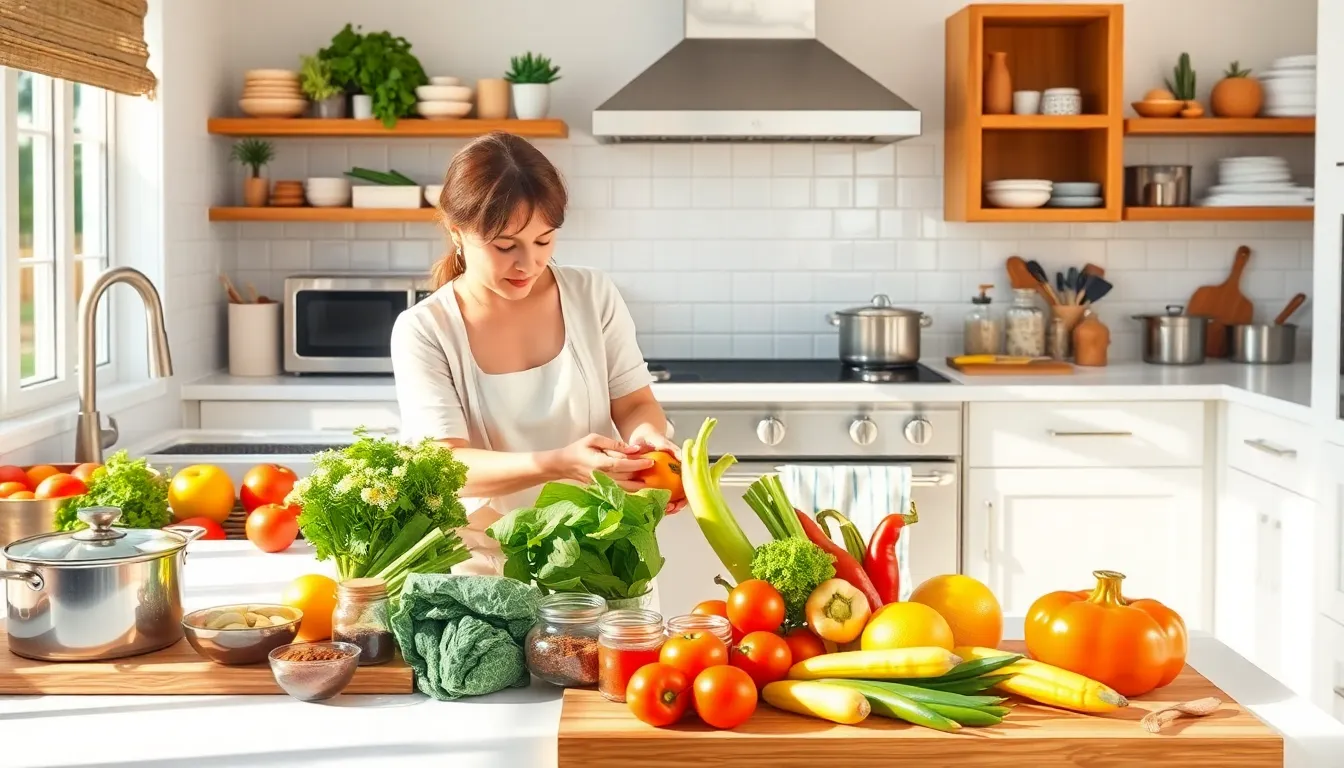
Preparation enhances the cooking experience. Prioritizing essential tasks ensures a smoother process.
Gather Ingredients
Gathering ingredients involves collecting everything necessary for the recipe. Start by checking the recipe to confirm required items. Fresh produce, spices, and proteins contribute to flavor and texture. Measuring ingredients accurately prevents errors during cooking. Grouping similar items together simplifies access. Having all ingredients within arm’s reach saves time and reduces stress. Properly organizing items fosters efficiency and keeps cooks focused on the task at hand.
Prepare Cooking Tools
Preparing cooking tools includes gathering pots, pans, and utensils in advance. Ensure that all items are clean and in good condition. Sharp knives and accurate measuring tools facilitate smooth execution of tasks. Familiarity with equipment allows cooks to work swiftly. Preheating ovens or setting up a stovetop enhances readiness for cooking. Arranging tools within easy reach minimizes disruptions during preparation. Using the right tools leads to more successful culinary results.
Clean Your Workspace
Cleaning the workspace creates an organized environment. Wiping down surfaces removes debris and prevents cross-contamination. A clutter-free area allows for better focus and efficiency. Keeping supplies neatly arranged saves time when reaching for ingredients or tools. Regularly maintaining cleanliness contributes to a safe cooking experience. Creating a designated space for different tasks ensures that cooks can navigate easily. A clean workspace cultivates creativity and enhances overall satisfaction in the cooking process.
Understanding Recipes
Understanding recipes forms a crucial part of culinary preparation. This comprehension ensures a smoother cooking experience and minimizes errors.
Reading Instructions Carefully
Reading instructions carefully prevents missteps while following a recipe. Begin by examining the list of ingredients and their quantities, as these dictate the foundation of the dish. Focus on the cooking methods and times stated, as they influence the final outcome. Noticing specific techniques, such as chopping or mixing, can impact texture and flavor. Placing emphasis on any special notes, like marinating times or resting periods, aids in achieving optimal results. When cooks take time to digest the entire recipe beforehand, they set the stage for success and avoid surprises that may arise during the cooking process.
Making Necessary Substitutions
Making necessary substitutions keeps recipes flexible without compromising quality. When an ingredient isn’t available, cooks often can replace it with similar items. Assessing flavor profiles and textures helps determine suitable alternatives. For instance, Greek yogurt can replace sour cream, while vegetable broth can work in place of chicken broth for a vegan option. Exploring pantry staples can yield quick solutions to missing ingredients. Embracing creativity during substitutions enhances the dish while addressing dietary restrictions. Balancing practicality with taste promotes confidence in the kitchen, leading to delightful culinary creations.
Time Management In Cooking
Time management plays a vital role in cooking effectively. Successful cooks allocate specific periods for each part of the process. Planning ahead helps streamline tasks, avoiding the chaos of last-minute decisions.
Gathering ingredients before starting ensures cooks have everything needed on hand. Organizing these items promotes an efficient workflow. Setting timers for each cooking step can keep progress on track, minimizing stress.
Allocating time for prep work is crucial. Cooks can chop vegetables, measure ingredients, and preheat ovens before diving into the recipe. This preparation contributes to smoother transitions between steps.
Understanding the cooking time for each task ensures better results. Knowledge of how long each ingredient takes to cook prevents over- or under-cooking, leading to a more enjoyable meal.
Considering multitasking also enhances efficiency. While one item cooks, another can be prepared, saving time without compromising quality. Adapting to the rhythm of the kitchen fosters creativity and flexibility, allowing for a more enjoyable cooking experience.
Finally, following a well-defined timeline aids in managing dinner parties or meal prep. It’s essential to factor in not just cooking time but also serving and cleanup. With thoughtful time management, culinary endeavors become more organized and satisfying.
Preparation is the cornerstone of a successful cooking experience. By taking the time to gather ingredients and organize the workspace cooks can focus on the recipe without unnecessary distractions. Understanding the recipe and managing time effectively further enhances the cooking process ensuring that every dish is executed with precision.
Creating a well-structured plan fosters an environment where creativity can flourish. With everything in place cooks are empowered to experiment and make adjustments as needed. Ultimately prioritizing these essential tasks transforms cooking from a chaotic endeavor into an enjoyable and rewarding experience.


