
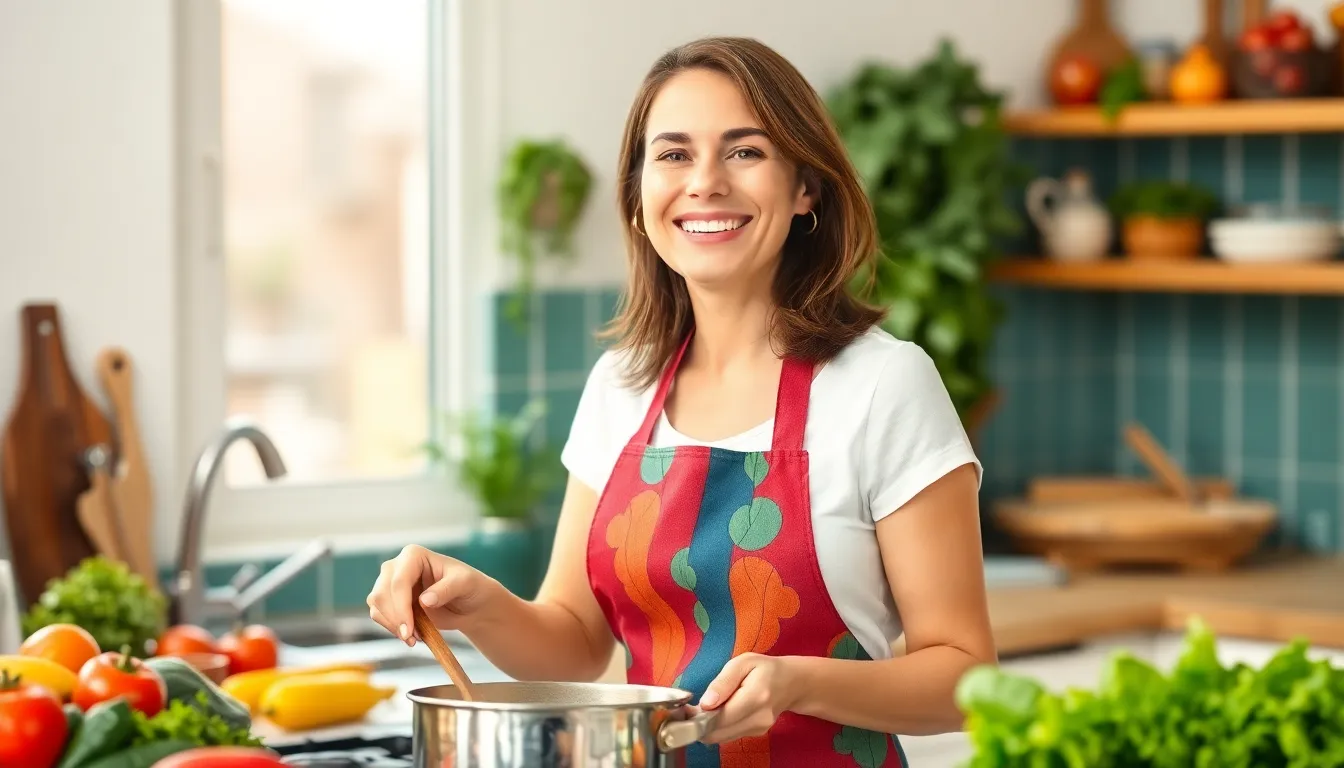
Cooking might seem like a daunting task reserved for culinary wizards, but it’s really just a matter of mastering a few basic skills. Whether it’s boiling pasta or flipping a pancake, everyone can whip up something delicious without turning their kitchen into a disaster zone. Imagine impressing friends with a homemade meal instead of ordering takeout for the fifth time this week.
Basic cooking opens the door to creativity and satisfaction. It’s not just about following recipes; it’s about experimenting and having fun. Plus, there’s nothing quite like the smell of freshly baked cookies wafting through the house. So grab that apron, channel your inner chef, and let’s dive into the world of basic cooking. Who knows? You might discover that you’re the next culinary superstar—or at least the proud owner of a slightly charred skillet.
Understanding Basic Cooking
Basic cooking encompasses essential skills that everyone can learn. Mastering these skills leads to greater confidence in the kitchen and fosters creativity.
Importance of Basic Cooking Skills
Basic cooking skills offer numerous benefits. They empower individuals to prepare healthy meals tailored to personal preferences. Taking a culinary approach encourages self-sufficiency. Gaining these skills promotes financial savings, as cooking at home often costs less than frequent takeout. Moreover, cooking serves as a social activity, providing opportunities to connect with friends and family. Engaging in culinary tasks also cultivates a sense of achievement, as individuals can create delicious dishes from scratch.
Common Cooking Terminology
Familiarity with cooking terminology enhances understanding and efficiency in the kitchen. A few basic terms include “sauté,” referring to cooking food quickly in a small amount of oil. “Simmer” describes the technique of cooking food gently in a liquid just below boiling point. Another important term is “mise en place,” which means having everything prepared and organized before cooking. Knowing these terms improves communication during cooking tasks, minimizing confusion. Additionally, understanding measurements such as teaspoons, tablespoons, and cups ensures accurate ingredient usage for optimal results.
Essential Cooking Tools
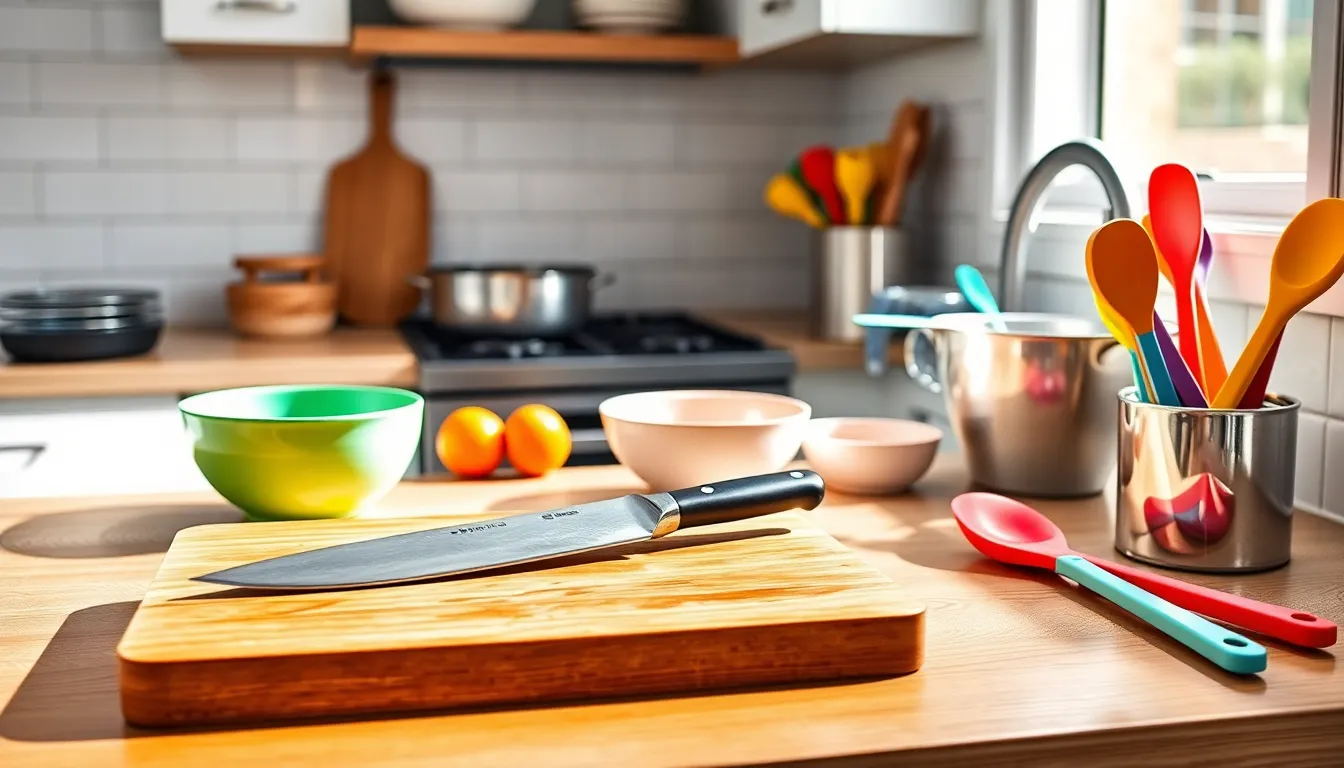
Basic cooking becomes enjoyable with the right tools. Having the essential equipment makes meal preparation smoother and more efficient.
Must-Have Kitchen Equipment
Knives are crucial for various tasks, from chopping vegetables to slicing meats. Cutting boards provide a safe surface for food prep and help maintain knife sharpness. Mixing bowls enable easy ingredient combination and storage. Measuring cups and spoons ensure accuracy in recipes, resulting in consistent outcomes. Pots and pans, including non-stick and stainless steel options, cater to different cooking methods—like frying, boiling, or baking—and promote even heat distribution. Investing in high-quality baking sheets is necessary for those who enjoy baking. Finally, small appliances like blenders and food processors simplify tasks like pureeing and chopping.
Choosing the Right Utensils
Selecting utensils that suit personal cooking styles enhances the overall experience. Wooden spoons offer a gentle touch for stirring sauces, while silicone spatulas help in scraping bowls completely. Tongs provide a firm grip on foods during cooking or serving. Consider investing in whisk sets for combining ingredients effectively. Measuring tools, such as digital scales, allow for precise ingredient quantities. Additionally, heat-resistant tools are critical to prevent damage in high-temperature cooking. Choosing utensils that fit comfortably in hand leads to better control and less fatigue while preparing meals.
Basic Cooking Techniques
Basic cooking techniques form the foundation for preparing delicious meals. Mastering these skills enhances confidence in the kitchen.
Boiling and Steaming
Boiling involves cooking food in water or broth at 212°F (100°C). Vegetables often benefit from this method, becoming tender quickly. Steaming offers a healthier alternative, retaining nutrients while adding moisture. Using a steamer basket or an electric steamer helps ensure even cooking. Potatoes, carrots, and broccoli are common choices when steaming. Both techniques suit various dishes, allowing for versatility in meal preparation.
Sautéing and Stir-Frying
Sautéing cooks food quickly in a small amount of fat over medium to high heat. It enhances flavors, making vegetables and proteins deliciously caramelized. Choosing a wide skillet or sauté pan distributes heat evenly. In contrast, stir-frying requires high heat and constant motion. Using a wok maximizes cooking surface area. Common ingredients include bell peppers and chicken, allowing for vibrant, colorful presentations. Each technique brings out distinct flavors, making meals more enjoyable.
Baking Basics
Baking involves using dry heat in an oven to cook food evenly. Temperature settings typically range from 350°F to 450°F (175°C to 230°C). Understanding the importance of accurate measurements is crucial for successful baking. Common recipes include bread, cakes, and cookies. Using parchment paper or silicone mats prevents sticking and ensures even browning. Enjoying baked goods offers a satisfying reward for mastering this fundamental cooking method.
Simple Recipes for Beginners
Beginner cooks can enjoy a variety of simple recipes that cater to different meals throughout the day.
Quick Breakfast Ideas
Oatmeal serves as a nutritious breakfast option. Cooking instant oatmeal only requires hot water or milk, and toppings like fruits or nuts add flavor. Scrambled eggs provide a protein-packed alternative. Whisking eggs in a bowl and cooking them over medium heat creates a light, fluffy dish. Greek yogurt topped with honey and berries makes for a refreshing choice.
Easy Lunch Recipes
Grilled cheese sandwiches are a classic. Combining buttered bread and cheese on a skillet results in a melt-in-your-mouth treat. Quinoa salads offer a healthy, filling option. Cooking quinoa and mixing it with vegetables and dressing creates a colorful meal. Wraps made with tortillas filled with turkey, lettuce, and condiments deliver convenience and taste.
Family-Friendly Dinner Dishes
Spaghetti with marinara sauce often pleases everyone. Boiling pasta and simmering sauce provides a comforting meal. Chicken stir-fry is another favorite. Cubed chicken cooked with assorted vegetables and soy sauce creates a vibrant dish. Tacos filled with seasoned beef, cheese, and toppings allow each family member to customize their meal.
Embracing basic cooking opens up a world of possibilities. It transforms meal preparation from a daunting task into an enjoyable and creative experience. With the right skills and tools anyone can create delicious meals that cater to their tastes and preferences.
Cooking not only fosters self-sufficiency but also brings people together. Sharing meals with friends and family creates lasting memories and strengthens bonds. As individuals experiment in the kitchen they’ll likely discover their unique culinary flair.
By mastering fundamental techniques and familiarizing themselves with essential tools anyone can build confidence and make cooking a rewarding part of daily life. So why not step into the kitchen and start exploring the joys of cooking today?


