
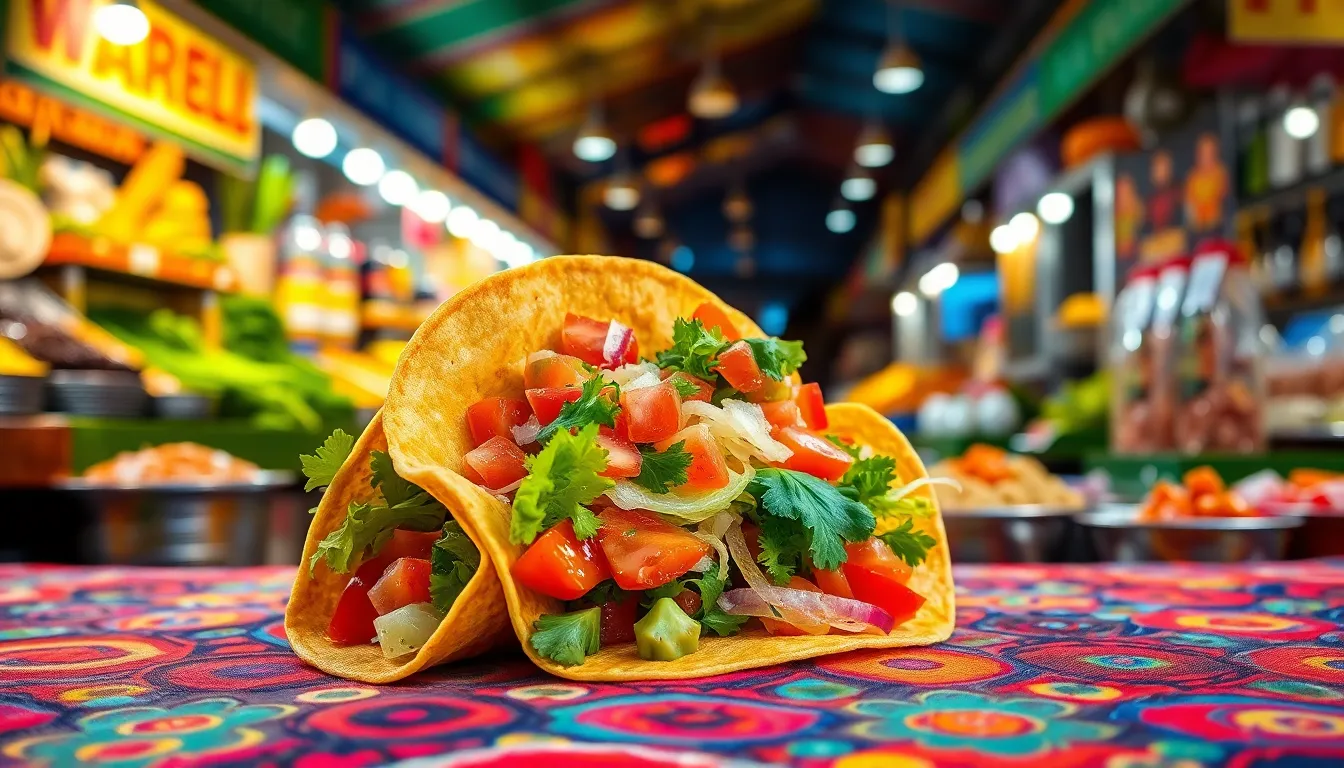
Imagine a world where every bite transports you to a bustling street market or a cozy family kitchen halfway across the globe. Ethnic foods offer more than just a meal; they serve up a delicious passport to diverse cultures, traditions, and flavors. From spicy curries that dance on the tongue to savory dumplings that warm the soul, each dish tells a story waiting to be savored.
Overview of Ethnic Foods
Ethnic foods embody diverse culinary traditions that reflect cultural identities. Each dish conveys stories that connect people to their heritage. Ingredients, techniques, and flavors vary significantly across regions, creating a mosaic of tastes. Spices play a crucial role in highlighting distinctive characteristics and enhancing flavors.
For instance, Indian cuisine often features spices like cumin and coriander, while Italian foods may focus on fresh herbs such as basil and oregano. Together, these elements reflect local customs and available resources. Dishes often represent communal gatherings, celebrations, or religious practices, allowing for a deeper appreciation of cultural significances.
Popular ethnic cuisine examples include Mexican tacos, which showcase the melding of indigenous and Spanish influences. Japanese sushi highlights precision and the art of simplicity, celebrating fresh ingredients. Middle Eastern falafel indicates vegetarian choices prevalent in various cultures and promotes sustainability in dining.
In many instances, ethnic foods serve as a bridge for cultural exchange. Sharing meals creates opportunities for people to taste and learn about different traditions. Globalization exacerbates the interest in ethnic foods, making them increasingly accessible. Food trucks, ethnic restaurants, and cooking classes often introduce these cuisines to new audiences.
The allure of ethnic foods lies not just in flavors but in the experiences they offer. Dining on ethnic foods fosters understanding and appreciation of cultural diversity. With each bite, diners explore a cultural narrative rich in history, tradition, and identity.
Popular Ethnic Foods Around the World
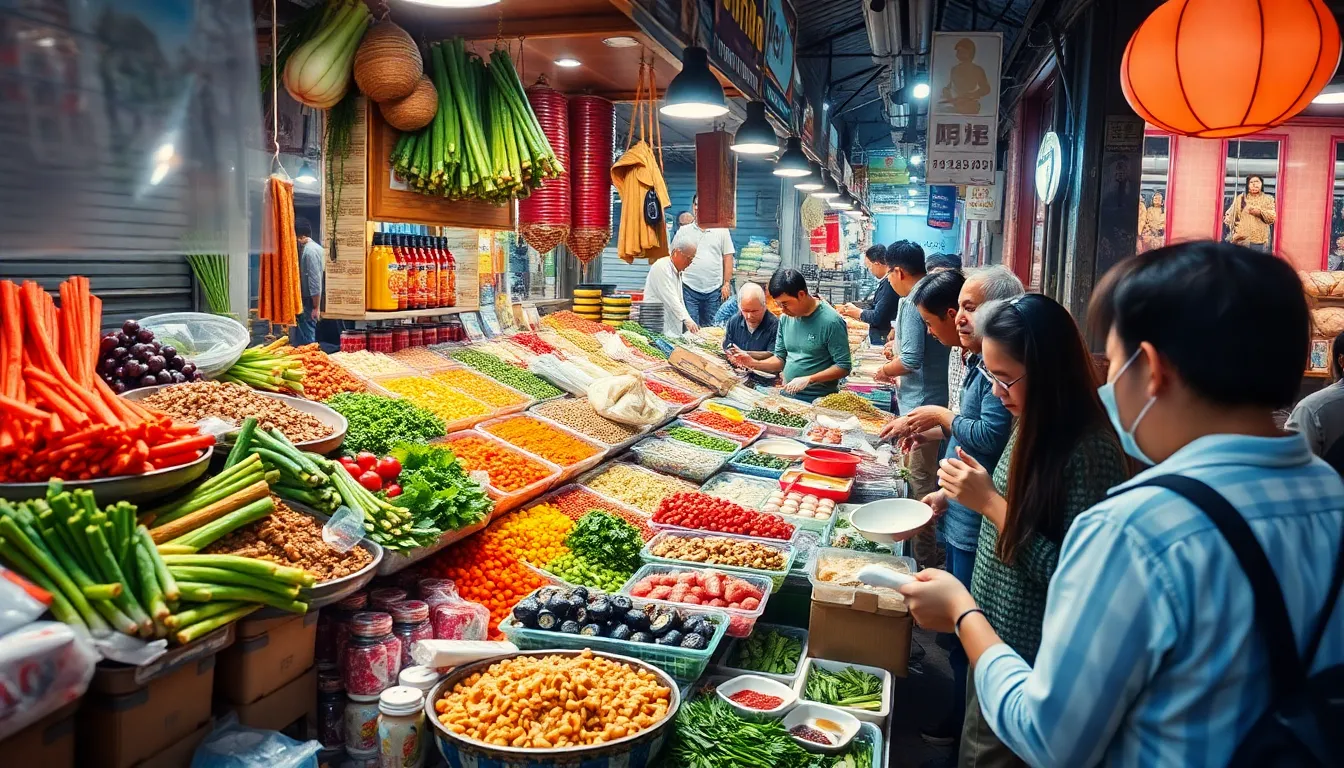
Diverse culinary traditions enrich the global food scene. Each region boasts unique flavors, ingredients, and preparations.
Asian Cuisine
Asian cuisine showcases a vast array of dishes, from the fiery noodles of Thailand to the delicate sushi of Japan. Rice, noodles, and fresh vegetables feature prominently, providing a healthy base. In addition, spices like ginger, garlic, and chili elevate flavors. Dim sum and curry serve as popular examples that illustrate regional variations. Street food culture thrives in countries like India and Vietnam, where vendors offer quick bites that capture local tastes.
African Cuisine
African cuisine presents a rich tapestry of flavors influenced by geography and history. Staples include grains, beans, and root vegetables, often accompanied by spices like cumin, coriander, and paprika. Traditional dishes vary, with tagines from North Africa and injera from Ethiopia representing distinct cultural heritages. Preservation techniques, such as smoking and drying, enhance flavors and extend shelf life. Meals often emphasize communal dining, reflecting the importance of social bonds and shared experiences.
European Cuisine
European cuisine highlights regional diversity through classic dishes and ingredients. Italy is renowned for its pasta, while France offers gourmet pastries and rich sauces. Fresh herbs, cheeses, and meats play key roles in many recipes. Traditional meals, like Spanish paella and German sausages, reveal cultural traditions and local ingredients. The European emphasis on seasonal produce fosters a connection to the land, enhancing the dining experience with a sense of place.
Health Benefits of Ethnic Foods
Ethnic foods offer numerous health benefits, contributing to overall well-being and dietary enjoyment. They often feature fresh ingredients and traditional cooking methods that maximize nutrients.
Nutritional Value
Ethnic dishes prioritize whole foods, including vegetables, lean proteins, and whole grains. For example, Mediterranean cuisine boasts healthy fats from olive oil and abundant fruits and vegetables. Asian cuisine highlights nutrient-dense ingredients like seafood and legumes. Many ethnic foods utilize herbs and spices, which provide antioxidants and anti-inflammatory properties. Plant-based ingredients in dishes like Indian dals or Middle Eastern salads enhance health benefits while delivering rich flavors. This focus on fresh, wholesome components promotes a balanced diet and supports various nutritional needs.
Dietary Diversity
Diversity in ethnic foods enhances nutritional profiles and promotes health. Each cuisine introduces unique ingredients and methods, encouraging varied consumption patterns. African stews and Latin American tamales showcase an array of grains and vegetables, while Caribbean dishes often feature fruits and spices. Exposure to diverse foods boosts gut health by offering different fibers and nutrients. Furthermore, cultural practices surrounding meals often emphasize communal dining, which can improve mental well-being. Ultimately, embracing ethnic cuisines fosters a richer, more balanced approach to food that supports health through variety and enjoyment.
Cultural Significance of Ethnic Foods
Ethnic foods play a vital role in preserving cultural identity and traditions. Each dish tells a story that reflects the history, values, and beliefs of a community. They often incorporate region-specific ingredients, cooking techniques, and flavor profiles that highlight local customs.
Numerous examples illustrate this connection. Mexican tacos embody the rich heritage of indigenous and colonial influences. Japanese sushi showcases meticulous preparation and emphasis on fresh ingredients, emphasizing a deep respect for culinary artistry. Middle Eastern falafel reflects the use of legumes and spices, revealing the agricultural practices of the region.
Various cuisines promote cultural exchange and understanding. Meals bring people together, fostering connections and dialogues around shared experiences. Ethnic foods create opportunities for individuals to explore diverse cultures without leaving their communities.
Globalization enhances the visibility of ethnic cuisines. Food trucks and restaurants present authentic dishes to broader audiences, inviting curiosity and experimentation. Cooking classes provide avenues for learning traditional methods, allowing individuals to replicate these cultural experiences at home.
Community and familial ties often revolve around the preparation and enjoyment of ethnic foods. Celebrations, holidays, and everyday gatherings feature traditional recipes that strengthen bonds. These shared moments foster memories that solidify cultural heritage.
Adaptation occurs as ethnic foods evolve to meet contemporary needs while maintaining core traditions. Fusion dishes exemplify how cuisines blend, creating new experiences that honor varied backgrounds. Such culinary innovation reflects the dynamic nature of culture, emphasizing its ability to adapt and grow while remaining rooted in tradition.
How to Incorporate Ethnic Foods at Home
Incorporating ethnic foods at home enriches meals and connects families to global cultures. Start by exploring local grocery stores for ethnic ingredients. Searching for spices, sauces, and fresh produce can uncover items essential for various cuisines.
Consider trying out recipes from diverse cultures. Experimenting with dishes like spicy curry or savory dumplings allows families to enjoy authentic flavors. Utilizing cooking classes, which often focus on particular ethnic cuisines, helps develop cooking skills and knowledge of traditional methods.
Invite family and friends to participate in themed dinners. Hosting taco nights or sushi-making parties fosters a fun atmosphere while introducing culinary traditions. Preparing dishes together encourages collaboration and appreciation for different techniques.
Use online resources, like cooking blogs or YouTube, to discover new recipes. Videos provide visual guidance, making it easier to replicate complex techniques or understand ingredient preparations. Engaging in food communities online, such as forums, can enhance knowledge and provide support for culinary experiments.
Integrate flavors into everyday meals by substituting ingredients. Replacing rice with quinoa or adding different spices to familiar dishes introduces an ethnic twist. Gradually introducing new flavors helps diversify palates without making drastic changes.
Emphasize family traditions by sharing stories behind specific dishes. Knowing the cultural significance of a meal adds depth and meaning, enriching the dining experience. Making meals a blend of cultural traditions can strengthen family ties while celebrating diversity.
Stay curious and open to trying new foods. Exploring ethnic restaurants or local food festivals can inspire experimentation in home cooking. Additionally, sharing experiences with others creates a sense of community around food.
Ethnic foods offer a vibrant way to experience the world through culinary traditions. They serve not only as a means of nourishment but also as a gateway to understanding diverse cultures. Each dish tells a story that connects individuals to their roots while fostering community and shared experiences.
As globalization continues to make these cuisines more accessible, the opportunity to explore and appreciate different flavors is greater than ever. By incorporating ethnic foods into everyday meals, individuals can enhance their diets and create memorable dining experiences. Embracing these culinary treasures encourages curiosity and celebrates the rich tapestry of global heritage.


