
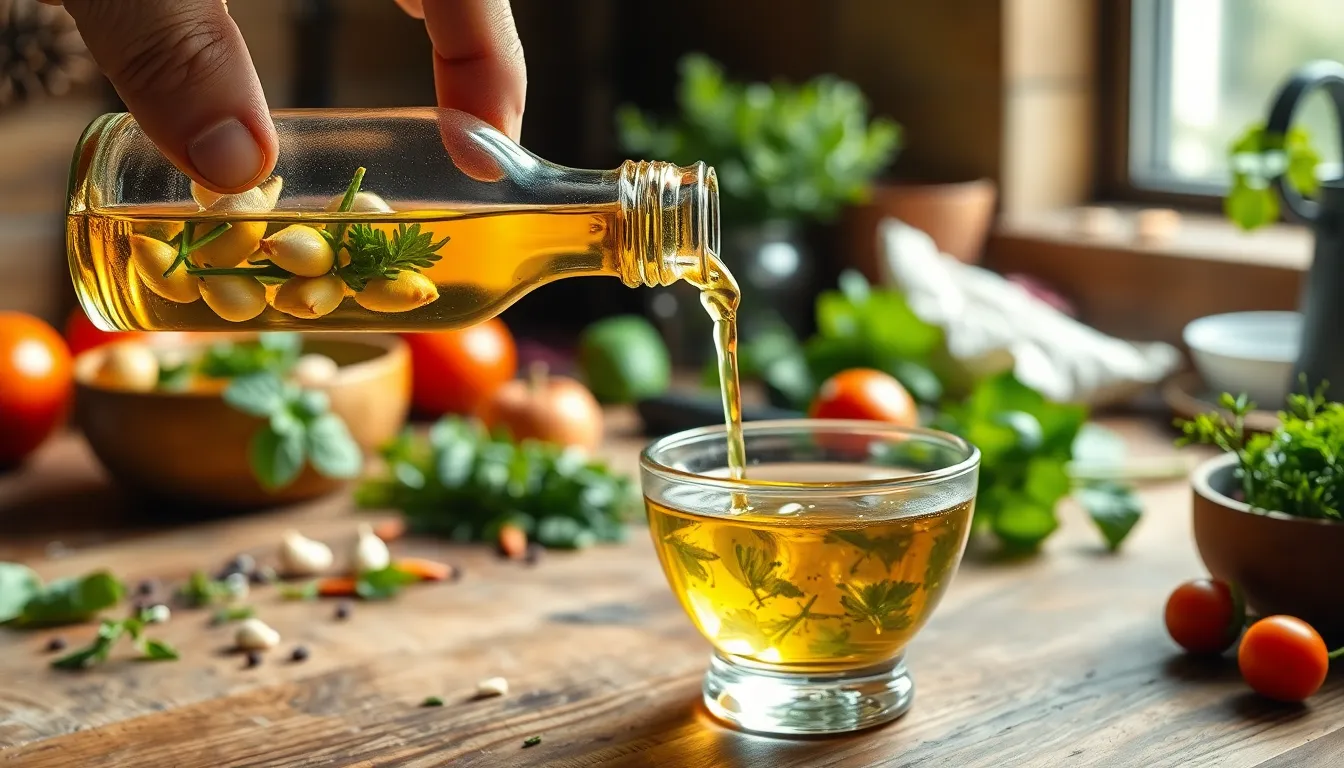
Infusion cooking is transforming the culinary landscape, blending flavors in ways that elevate everyday meals into extraordinary experiences. This innovative technique involves steeping ingredients in oils, liquids, or even solids to extract and enhance their natural flavors. Chefs and home cooks alike are discovering that infusion cooking not only enhances taste but also adds an artistic touch to their dishes.
As food enthusiasts seek new ways to impress their guests, infusion cooking offers a world of possibilities. From infused oils and vinegars to flavored broths, the options are endless. With just a few simple steps, anyone can create deliciously unique flavors that tantalize the taste buds. Dive into the world of infusion cooking and unlock the secrets to crafting unforgettable meals.
What Is Infusion Cooking?
Infusion cooking is a culinary technique that involves steeping ingredients in oils, liquids, or solids to extract and enhance their natural flavors. This process allows for the transformation of ordinary dishes into exceptional creations. Chefs and home cooks alike utilize infusion cooking to develop unique flavor profiles, elevating the overall dining experience.
Infusion cooking encompasses various methods, including:
- Infused Oils: Oils steeped with herbs, spices, or aromatics deliver rich flavors. For example, garlic-infused olive oil adds depth to dressings and marinades.
- Infused Vinegars: Vinegars infused with fruits or herbs impart bright, tangy notes to salads and sauces. Options include raspberry vinegar and basil vinegar, both versatile in use.
- Flavored Broths: Broths steeped with aromatics such as onions, garlic, and herbs create a flavorful base for soups or sauces.
The technique opens a realm of possibilities for culinary exploration, allowing food enthusiasts to create dishes that impress guests while showcasing creativity in the kitchen. Infusion cooking promotes experimentation, inviting cooks to customize flavors and achieve desired taste profiles.
Benefits of Infusion Cooking
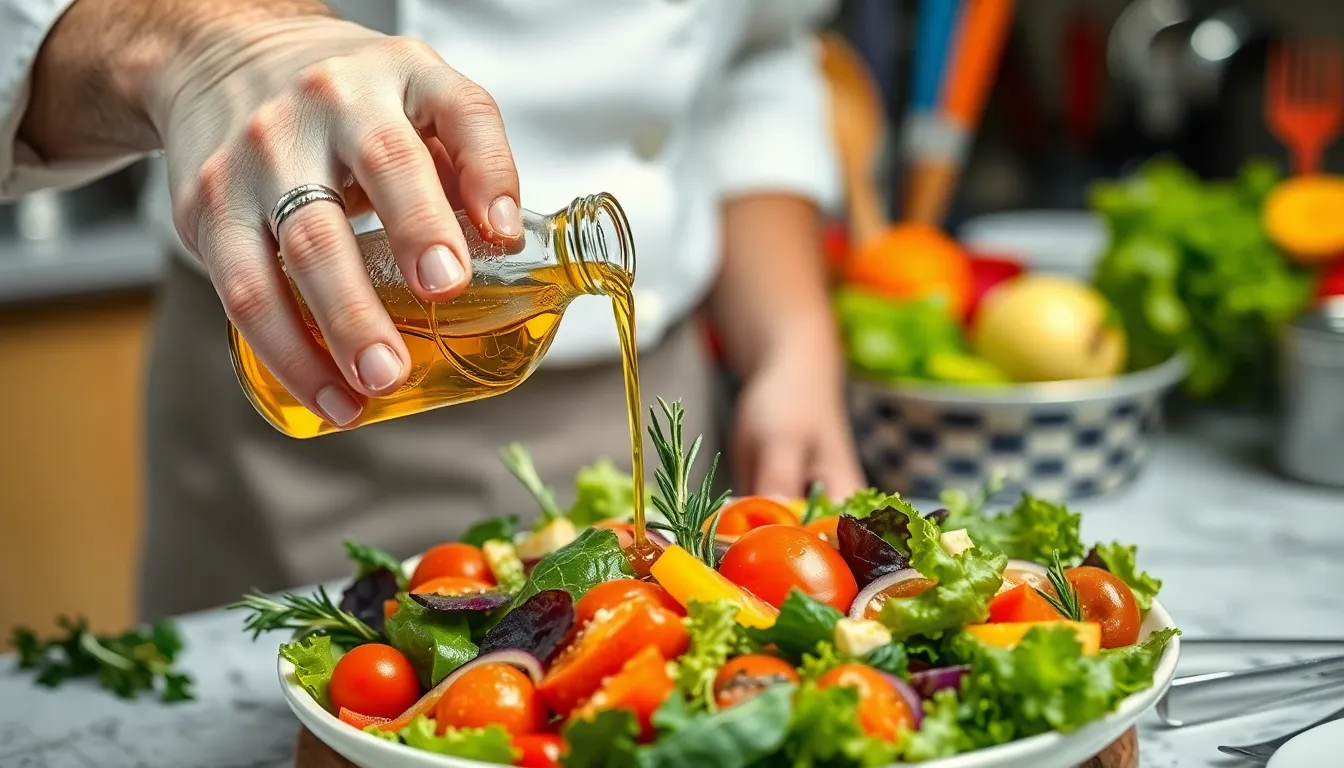
Infusion cooking offers numerous advantages, enhancing both the flavor and health value of meals. This innovative technique brings culinary creativity to the forefront, allowing cooks to elevate everyday dishes.
Enhanced Flavor Profiles
Enhanced flavor profiles are a primary benefit of infusion cooking. By steeping ingredients in oils, liquids, or solids, cooks draw out and intensify natural flavors. Infused oils, such as rosemary or chili, deliver distinct tastes that transform simple dishes into gourmet experiences. Flavor-packed vinegars, like balsamic or citrus-infused, brighten salads and drizzles, providing depth to meals. Infusion techniques present endless combinations for unique flavor pairings, enabling cooks to experiment beyond traditional seasoning methods.
Healthier Meal Options
Healthier meal options emerge through infusion cooking, as it often incorporates fresh ingredients and minimizes unhealthy additives. Infused oils can replace heavier sauces or dressings, cutting down on calories while maintaining flavor. For instance, using garlic-infused oil in place of butter not only enhances taste but also adds nutritional benefits. Additionally, utilizing fresh herbs and spices in infusion recipes encourages the use of whole food ingredients, fostering overall health and wellness. Opting for infused broths over processed stocks or additives contributes to nutritious and wholesome meal preparation.
Techniques for Infusion Cooking
Infusion cooking employs various methods to capture and enhance flavors. Understanding these techniques and the necessary equipment helps achieve optimal results.
Common Infusion Methods
- Infused Oils: Infused oils involve steeping herbs, spices, or aromatics in oil. For example, rosemary-infused olive oil develops a fragrant depth, perfect for dressings or marinades.
- Infused Vinegars: Infused vinegars combine vinegar with fruits, herbs, or vegetables. Strawberry-infused balsamic vinegar offers a sweet-tart enhancement for salads.
- Flavored Broths: Flavored broths result from simmering aromatic ingredients in stock or water. Chicken broth with thyme and garlic brings added warmth to soups.
- Herb-Infused Simple Syrups: Herb-infused simple syrups blend sugar, water, and herbs. Mint-infused syrup serves as a refreshing drink base.
- Pickling: Pickling involves soaking vegetables in a vinegar solution with spices. Pickled onions provide a tangy crunch to sandwiches.
Tools and Equipment Needed
- Glass Jars: Glass jars provide airtight storage for infused oils and vinegars, preventing contamination and maintaining freshness.
- Fine Mesh Strainer: A fine mesh strainer helps filter out solids after infusion, ensuring a clear liquid.
- Saucepan: A saucepan is essential for heating oils or broths during the infusion process.
- Thermometer: A thermometer ensures precise temperature control during the infusion, protecting delicate flavors from degradation.
- Labels: Labels help identify infused creations, including dates, to guarantee freshness and flavor quality.
Popular Infusion Cooking Recipes
Infusion cooking features various recipes that showcase the technique’s versatility. These recipes highlight the method’s ability to transform ordinary dishes into culinary delights.
- Garlic-Infused Olive Oil
Garlic-infused olive oil enhances salads, pasta, and dipping sauces. Combine sliced garlic with extra virgin olive oil in a saucepan. Heat slowly, allowing the garlic to release its flavors without burning. Strain and store in a glass jar.
- Rosemary-Infused Olive Oil
Rosemary-infused olive oil adds a fragrant touch to roasted vegetables and grilled meats. Place fresh rosemary sprigs in olive oil and gently heat. Cool and strain before use, ensuring a fresh flavor.
- Strawberry-Infused Balsamic Vinegar
Strawberry-infused balsamic vinegar brightens salads and desserts. Muddle fresh strawberries in a jar, then pour balsamic vinegar over them. Allow it to steep for several days before straining for a sweet, tangy dressing.
- Herb-Infused Simple Syrups
Herb-infused simple syrups serve well in cocktails and desserts. Boil equal parts water and sugar, adding fresh herbs like mint or basil. Let it steep, cool, and strain for a refreshing addition to beverages.
- Citrus-Infused Salt
Citrus-infused salt enhances meats and vegetables. Zest lemons, limes, or oranges and mix with sea salt. Spread on a baking sheet and dry in the oven to achieve vibrant flavors.
- Spicy Chili Oil
Spicy chili oil elevates stir-fries and dips. Combine dried chili flakes with oil in a saucepan. Slowly heat until the oil takes on a red hue, then strain into a jar, ready for flavorful additions.
- Lavender-Infused Honey
Lavender-infused honey sweetens teas and desserts with floral notes. Combine culinary lavender with honey in a jar. Let it steep in a warm environment for exceptional flavor infusion.
These recipes not only showcase the possibilities of infusion cooking but also encourage creativity in the kitchen. Each method enhances flavors, providing an opportunity to impress family and friends with homemade culinary creations.
Infusion cooking opens up a world of culinary creativity that transforms everyday meals into extraordinary experiences. By embracing this technique, cooks can explore a variety of flavors and elevate their dishes with minimal effort. The versatility of infused oils, vinegars, and broths invites experimentation and personalization in the kitchen.
With simple tools and a bit of imagination, anyone can create gourmet flavors that impress family and friends. This method not only enhances taste but also promotes healthier cooking by utilizing fresh ingredients. Infusion cooking is more than just a trend; it’s a pathway to discovering new culinary horizons and enjoying the art of cooking.


